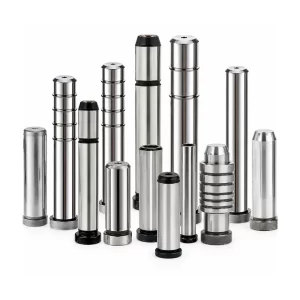



Obudowy łożysk o wysokiej precyzji do robotyki


Obróbka CNC w obudowie łożyska robota
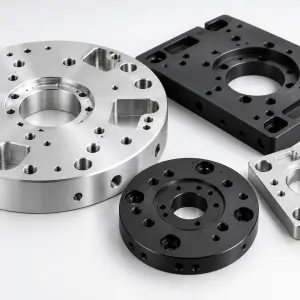
Precyzyjna obróbka CNC dla obudów łożysk robotów z precyzyjnymi osadami łożysk, Cylindry koncentryczne, Lokalizowanie ramion, Interfejsy wałów, oraz krytyczne punkty odniesienia. Wspiera ciasne gesto cukrowe&Wymagania T, Obróbka wieloosiowa, Wiele materiałów, oraz produkcję prototypową do produkcji niskomasowej.
- Precyzyjne łożyska & Otwory
- Koncentryczność & Kontrola Runout
- Ciasna cukrzyca cukrzyczna&Wymagania T
- Aluminium / Stal nierdzewna / Stal narzędziowa / Tytan
- Prototyp & Produkcja niskomasowa
Opis produktu
Wprowadzenie
Obróbka CNC w obudowie łożysk robotów jest wykorzystywana do produkcji precyzyjnych podpór łożyskowych dla złączy robotycznych, Siłowniki, Silniki, Przekładnie, oraz systemy ruchu, gdzie precyzyjne położenie łożyska, Wyrównanie wałów, oraz stabilna wydajność obrotowa są kluczowe.
Obudowy łożysk robotów zazwyczaj zawierają precyzyjne łożyska, Cylindry koncentryczne, Interfejsy wałów, Lokalizowanie ramion, Zachowanie cech, Powierzchnie montażowe, oraz ściśle kontrolowane punkty końcowe składania. Małe odchylenia w rozmiarze otworu, Koncentryczność, runout, Pozycja, lub prostopadłość może wpływać na dopasowanie łożyska, Wyrównanie wałów, Wstępne obciążenie, tarcie, drgania, oraz długoterminową dokładność ruchu.
Nasze możliwości CNC obejmują 3-osiowe, 4-osiowa, oraz frezowanie 5-osiowe, Toczenie CNC, Nudne, Wiercenia, Gwintowanie, Stukanie, precyzyjne szlifowanie, i zakończenie. Strategie obróbki, Wybór danych, Workholding, a metody inspekcji są definiowane zgodnie z wymaganiami dopasowania łożysk, GD&T, Materiał, Geometria obudowy, oraz warunki montażu.
Obudowy łożysk mogą być obrabiane ze stopów aluminium, Stal nierdzewna, Stal narzędziowa, Tytan, oraz inne materiały inżynieryjne, z anodowaniem, Twarde anodowanie, Pasywacja, Powłoka, Obróbka cieplna, Szlifowanie, oraz powlekanie dostępne zgodnie z wymaganiami aplikacji. Prototyp, Próbka inżynierska, a produkcję niskomasową można wspierać na podstawie rysunków klientów.
Specyfikacja
| Przedmiot | Specyfikacja |
|---|---|
| Nazwa produktu | Obróbka CNC w obudowie łożyska robota |
| Materiał | Aluminium / Stal nierdzewna / Tytan / Niestandardowe |
| Proces produkcyjny | Frezowanie / toczenie / wiercenie / wiercenie / gwintowanie / gwintowanie / precyzyjne wykańczanie |
| Geometria części | Cylindryczne / cienkościenne / głębokie / złożone cechy wielopowierzchniowe |
| Tolerancja | Do ±0.005 mm / według rysunku |
| Wykończenie powierzchni | Precyzyjnie obrabiane / szlifowane / polerowane / na zamówienie |
| Kolor | Naturalne / Czarne / Zależne od materiału |
| Produkcja | Prototyp i produkcja niskomasowa |
| Inspekcja | CMM / miernik wysokości / mikrometr / zacisk / plan inspekcji niestandardowej |
| Dokumentacja | Raporty z inspekcji i dokumenty materialne na życzenie |
| Zastosowania | Stawy robotyczne / Siłowniki / Przekładnie / Silniki / Moduły obrotowe / Systemy ruchu robotycznego |
| Służba celna | Obsługiwane przez OEM i ODM |
Trzy kluczowe aspekty personalizacji, Dostosowane do Twoich potrzeb
Dostosowane rozwiązania CNC do obróbki dla złożonych komponentów robotycznych oraz wymagań precyzyjnego montażu.
Produkcja precyzyjna, Doskonała jakość
Precyzyjna obróbka łożysk łożyskowych
Precyzyjne wiercenie, Obrót, Szlifowanie, oraz obróbka wieloosiowa pomaga utrzymać dokładność średnic łożysk, Lokalizowanie ramion, oraz powierzchnie stykowe do stabilnej instalacji łożysk i spójnego montażu.


Koncentryczność & Kontrola Runout
Krytyczne otwory łożysk i granice wałów są starannie kontrolowane pod kątem koncentryczności i rozbicia, pomagając zmniejszyć niedopasowanie, drgania, tarcie, oraz nierównomierne obciążenia łożyskowe podczas powtarzających się ruchów.
Materiały do wytrzymałości & Stabilność
Aluminium, Stal nierdzewna, Stal narzędziowa, Tytan, a inne materiały można wybierać według wagi, sztywność, ładunek, Odporność na zużycie, Warunki termiczne, oraz wymagania dotyczące okresu eksploatacji.


Inspekcja precyzyjna
CMM, Rozstawy średnicy, Mikrometry, oraz inne urządzenia pomiarowe mogą weryfikować rozmiar otworu, Pozycja, Koncentryczność, runout, płaskość, oraz cechy montażowe przed montażem.
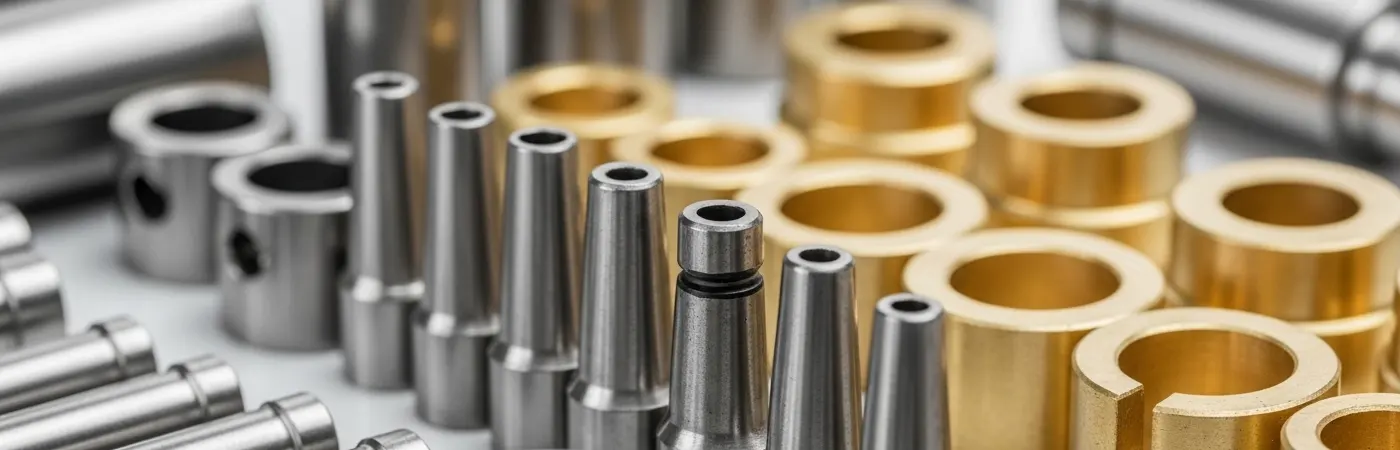
Usługa wyrafinowana, Skrócony czas dostawy
Od przeglądu projektu do realizacji, Zapewniamy dedykowaną, indywidualną kontrolę przez cały proces.
Konsultacje → dostarczenie rysunków → przegląd projektu & Oferta → przetwarzanie zamówień → inspekcja jakości → terminowa dostawa → obsługa posprzedażowa
Nasze zalety
Wspierane ponad 25-letnim doświadczeniem inżynierskim, Nasz zespół oferuje kompleksowe usługi — od projektowania form na zamówienie i precyzyjnej obróbki po produkcję na pełną skalę — wspierane przez solidny system kontroli jakości i proaktywną obsługę klienta. Certyfikowany według ISO9001, ISO14001, oraz IATF 16949, Nieustannie dążymy do doskonałości jakości, Innowacje, oraz satysfakcję klienta.
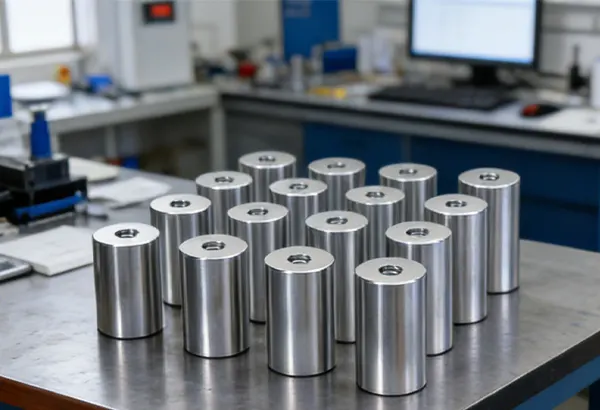
Ponad 100,000 Jednostki dostępne, wysyłka standardowych produktów trwa 2 godziny.
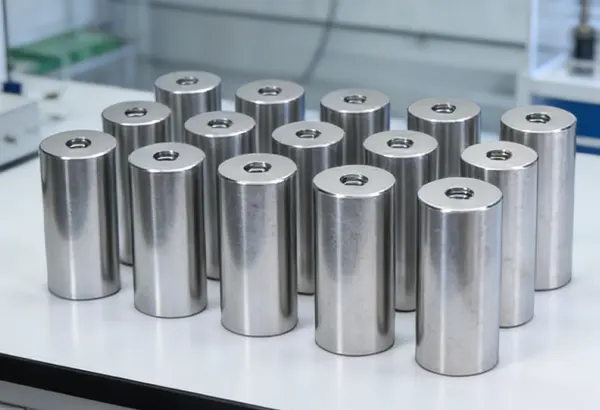
Wdrożenie trzyetapowego systemu inspekcji — wstępna kontrola materiałów, Inspekcja w trakcie procesu, oraz ostateczną inspekcję.
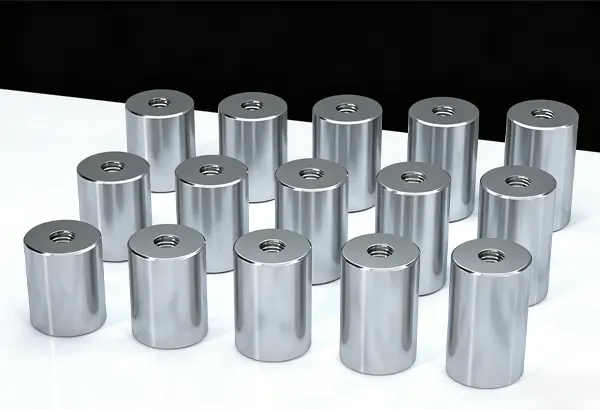
Duży zapas i szybka realizacja, Zapewnienie terminowej dostawy z 100% inspekcją produktu.
Zakres zastosowań
Preferowany wybór w różnych branżach.

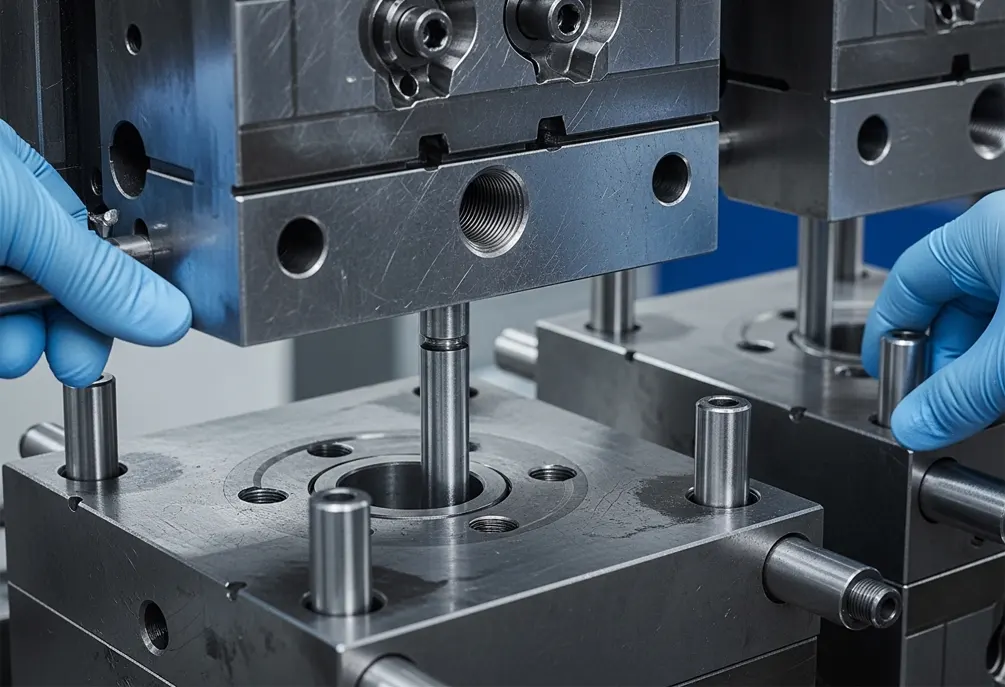
FAQ
P1: Czym jest obudowa łożyska robota?
Obudowa łożyska robota to precyzyjny element, który lokalizuje i podtrzymuje łożyska w stawach robotycznych, Siłowniki, Silniki, Przekładnie, oraz systemy obrotowe, przy jednoczesnym zachowaniu wyrównania wału i stabilnego ruchu obrotowego.
P2: Jakie tolerancje są istotne dla obudów łożyskowych?
Ważne wymagania obejmują zazwyczaj średnicę otworu łożyskowego, Koncentryczność, runout, prostopadłość, Pozycja, Określanie wymiarów barku, oraz płaskość powierzchni montażu.
P3: Dlaczego dokładność średnicy łożysk jest ważna?
Nieprawidłowy rozmiar cylindra lub geometria może wpływać na dopasowanie łożyska, Wstępne obciążenie, Przebieg trasy, tarcie, drgania, oraz okres eksploatacji. Precyzyjne obróbki pomagają utrzymać niezawodną instalację łożysk oraz powtarzalny ruch robotyczny.
P4: Jakie materiały są używane do obudów łożysk robotów?
Do popularnych materiałów należą stopy aluminium, Stal nierdzewna, Stal narzędziowa, oraz tytan, wybierany według obciążenia, sztywność, Waga, Odporność na zużycie, oraz warunki eksploatacji.
P5: Jak inspekcjonuje się precyzyjne obudowy łożysk?
Inspekcja może obejmować CMM, Rozstawy średnicy, Wskaźniki okrągłości, Mikrometry, oraz wskaźniki wysokości do weryfikacji wymiarów cylindra, Koncentryczność, runout, Pozycja, oraz inne krytyczne GD&Wymóg T