



Custom Injection Mold: What Buyers Should Prepare Before Quotation
A custom injection mold quotation moves faster when buyers prepare complete technical and production information before contacting suppliers. A strong RFQ package should include 3D CAD files, 2D drawings, resin specifications, Wymagania tolerancyjne, Oczekiwania dotyczące wykończenia powierzchni, Roczny wolumen produkcji, oraz terminy dostaw. Missing details often create quotation delays, Zmiany w narzędziach, and inaccurate pricing.
A mold quotation is not just about getting a price. Suppliers use your RFQ package to evaluate tooling design, Złożoność obróbki, Żywotność pleśni, and production feasibility. If important details are missing, the quotation process slows down quickly. Buyers who prepare the right files and specifications upfront usually get faster responses, fewer revisions, and more accurate tooling recommendations.
What information does a supplier need before quoting a custom injection mold?
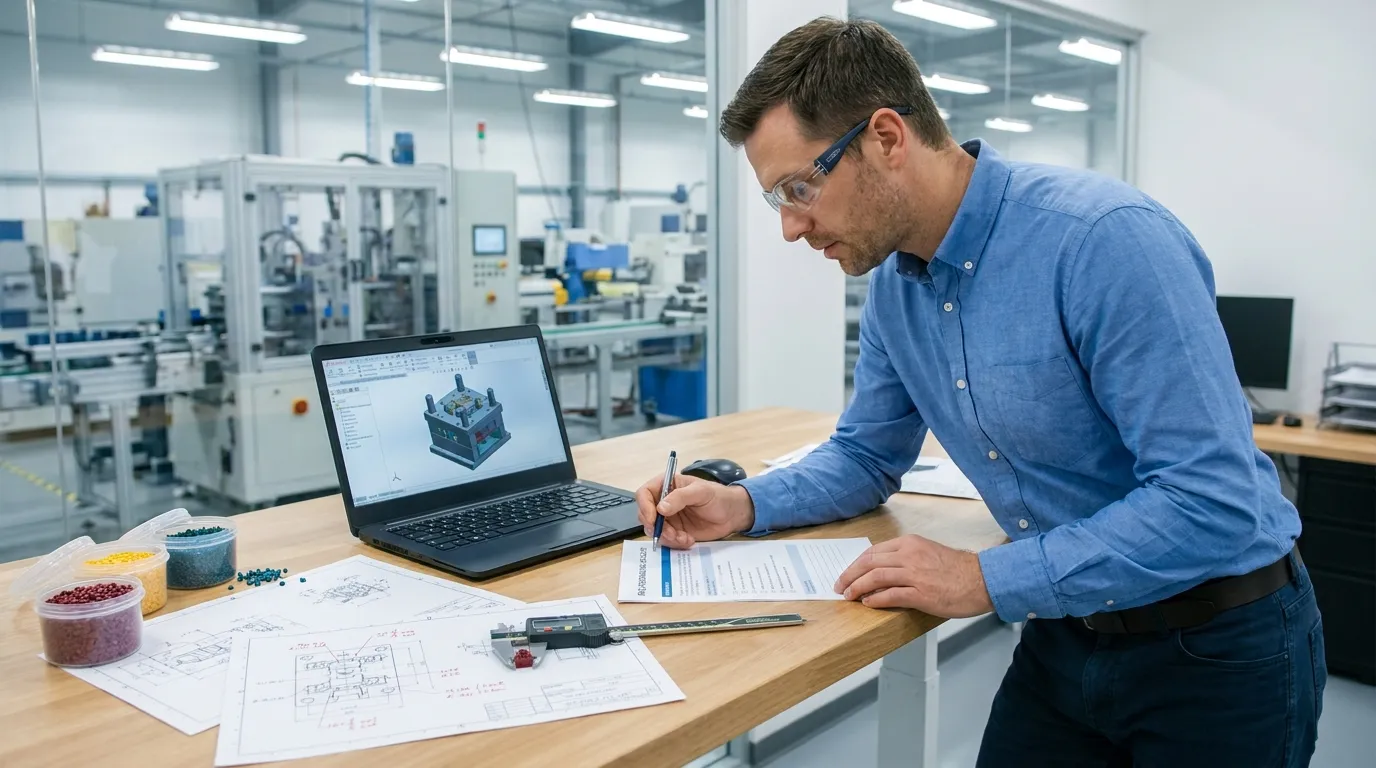
A custom injection mold quotation is only accurate when suppliers receive complete technical and production details. CAD files, Wybór żywicy, Tolerancje, Oczekiwania dotyczące wykończenia powierzchni, and annual production volume directly affect tooling design, Czas przygotowania, and mold cost.
Most suppliers need enough information to evaluate manufacturability before they can quote tooling. That usually starts with a 3D CAD model, production expectations, oraz wymagania materialne. If any of those pieces are unclear, engineering teams often need multiple clarification rounds before pricing can begin.
A complete RFQ package should include:
- Pliki CAD 3D
- Rysunki techniczne 2D
- Specyfikacja jakości materiałowej lub żywicy
- Roczny wolumen produkcji
- Wymagania dotyczące wykończenia powierzchni
- Notatki tolerancyjne
- Odniesienia do asemblów
- Wymagania dotyczące opakowań lub zgodności
- Przewidywany harmonogram projektu
Many buyers focus only on the part geometry. That creates problems later because tooling decisions also depend on production volume, resin behavior, cosmetic standards, oraz przewidywana długość życia pleśni.
Na przykład, a mold designed for 5,000 parts per year may use very different tooling materials than a mold expected to run 500,000 cycles annually. If you are still learning broader tooling terminology, to Przewodnik po komponentach form explains the core mold structures and systems suppliers evaluate during quotation.
Lista Gotowości RFQ
| Pozycja RFQ | Dlaczego to ważne |
|---|---|
| Plik CAD 3D | Umożliwia przegląd narzędzi i analizę zdolności produkcyjnych |
| Rysunek 2D | Definiuje wymiary i tolerancje |
| Specyfikacja żywicy | Wpływ na kurczenie się, gate design, and tooling steel |
| Wielkość produkcji | Określa wymagania dotyczące trwałości formy |
| Wykończenie powierzchni | Wpływ na czas polerowania i obróbki |
| Oczekiwania dotyczące harmonogramu | Pomaga dostawcom planować wydajność narzędzi |
| Wymogi zgodności | Identyfikuje potrzeby testowania lub certyfikacji |
| Notatki opakowania | Wspiera planowanie produkcji w dalszej części |
Need help evaluating production methods before RFQ submission? Rozwiązania do formowania na zamówienie can help clarify common tooling and manufacturing options.
Which drawings and files should buyers prepare before requesting a quote?
Suppliers can quote faster when buyers provide editable 3D CAD files together with 2D tolerance drawings. Missing dimensions, unclear revisions, or screenshot-only submissions usually create multiple clarification rounds before pricing can begin.
A STEP or IGES file is usually the starting point for any serious quotation request. These formats allow tooling engineers to inspect wall thickness, Kąty draftu, podcina, and part geometry directly inside CAD software.
Rendered images or screenshots are rarely enough. One common problem happens when startups submit only visual product mockups without engineering files. Suppliers can see the appearance, but they cannot evaluate mold complexity or manufacturability accurately.
Preferowane formaty CAD
| Typ pliku | Cel |
|---|---|
| STEP (.step/.stp) | Standardowy plik wymiany 3D produkcji |
| IGES (.igs) | Alternatywny edytowalny format CAD |
| Natywne pliki CAD | Przydatne do śledzenia wersji |
| Rysunki PDF | Przegląd wymiarów wspiera |
| Akta asempelowe | Seriale pasują do wielu części |
Co powinno pojawiać się na rysunkach 2D
2D drawings help suppliers identify dimensions that matter most during tooling and inspection. Bez nich, engineers often make assumptions that create quotation revisions later.
Your drawings should include:
- Wymiary krytyczne
- Strefy tolerancji
- Wykończenie powierzchni
- Specyfikacje gwintu
- Notatki materialne
- Numery rewizji
- Odniesienia do asemblów
Tight tolerances should only appear where they are functionally necessary. Many buyers apply precision tolerances across every dimension, even when only a few surfaces require strict control. That increases tooling complexity and machining time without improving product performance.
If you want a broader overview of how tooling moves from design to production, to Proces produkcji form explains the major manufacturing stages.
How detailed should material specifications be?
Resin names alone are not enough for accurate mold quotations. Suppliers usually need the exact material grade, performance requirements, additives, and compliance standards to recommend proper tooling steel, gate design, and processing conditions.
Many RFQs simply say “ABS” or “polypropylene.” That creates uncertainty because resin behavior changes significantly between grades, additives, and suppliers. Flame-retardant materials, glass-filled resins, UV stabilizers, and food-grade requirements all affect tooling recommendations.
A consumer electronics company might initially request standard ABS, then later switch to flame-retardant PC/ABS after quotation. That single change can affect shrinkage assumptions, processing temperatures, and tooling wear expectations.
Typowe brakujące szczegóły dotyczące materiałów
| Brakujące szczegóły | Dlaczego powoduje problemy |
|---|---|
| Dokładna jakość żywicy | Różne klasy przetwarzają różne procesy |
| Ocena płomienia | Może wymagać alternatywnego projektowania narzędzi |
| Odporność na UV | Zmiany w doborze materiałów |
| Zgodność z klasą spożywczą | Wymagania dotyczące certyfikacji wpływów |
| Wymagania kolorystyczne | Wpływ na inspekcję kosmetyczną |
| Zawartość wypełniona szkłem | Zwiększa zużycie formy |
Material uncertainty also affects mold steel selection. Hardened steel tooling may be recommended for abrasive glass-filled materials, while softer tooling materials can work well for simpler resin systems.
Aluminum tooling is not automatically a low-quality option. It works well for prototypes and lower-volume production when speed matters more than maximum mold lifespan. Buyers sometimes overspend on hardened steel tooling before confirming actual production demand.
If you are comparing suppliers and molding capabilities, Możliwości formowania wtryskowego can help explain how manufacturers evaluate material and tooling compatibility.
Why do tolerances and surface finish requirements affect mold pricing?
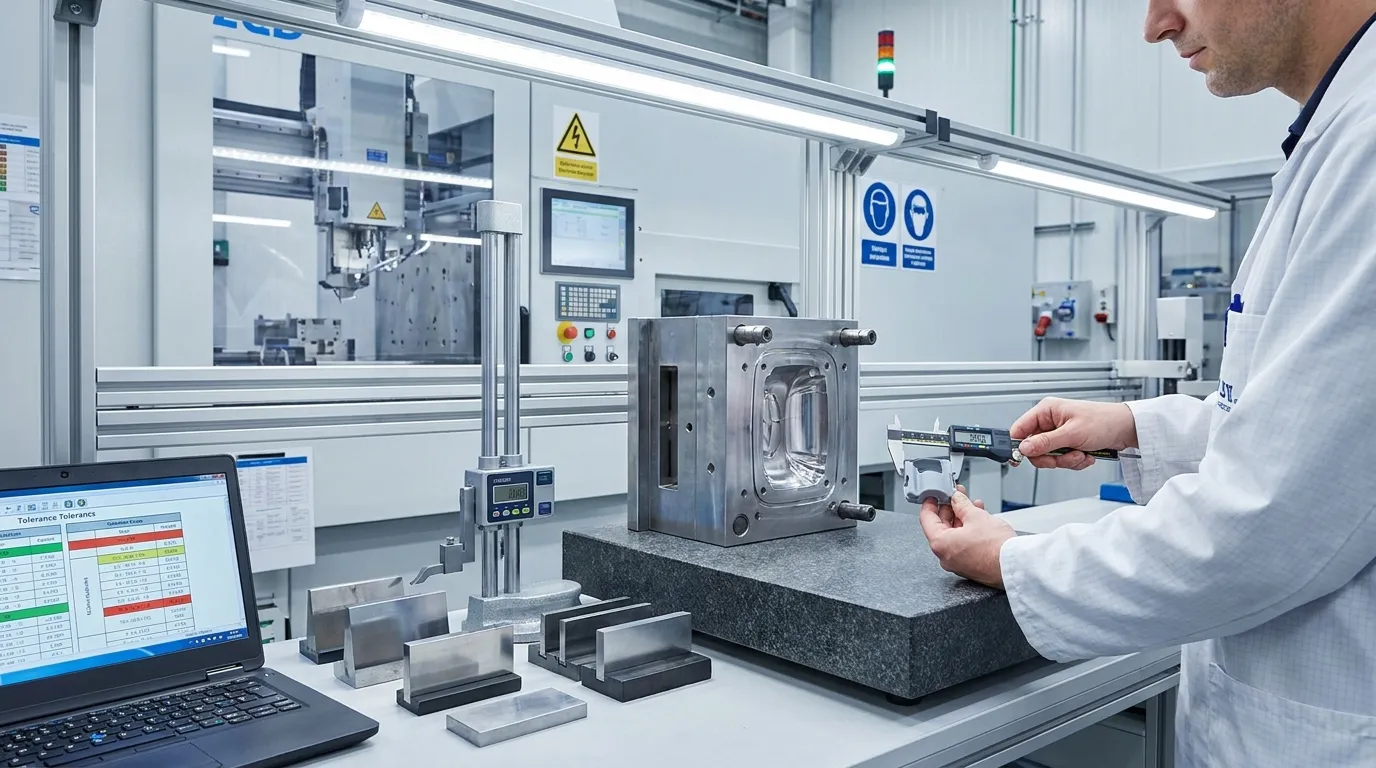
Tight tolerances and cosmetic surface requirements increase mold complexity, Czas obróbki, inspection steps, and maintenance expectations. Even small tolerance changes can significantly affect tooling cost and lead time.
Suppliers evaluate tolerance requirements early because they directly affect machining strategy and quality control planning. Precision dimensions may require slower machining, additional inspection equipment, or secondary tooling adjustments.
The same thing happens with cosmetic requirements. A high-gloss consumer housing usually needs more polishing and surface preparation than an industrial enclosure with a textured finish.
| Wymagania | Wpływ narzędzi |
|---|---|
| Ścisła tolerancja wymiarowa | Wyższa precyzja obróbki |
| Wykończenie lustrzane | Zwiększona praca przy polerowaniu |
| Fina faktura wykończenia | Dodatkowe przetwarzanie form |
| Powierzchnie zewnętrzne kosmetyczne | Więcej czasu na inspekcję |
| Geometria cienkościenna | Większa czułość procesu |
Not every dimension needs ultra-tight tolerance control. Automotive buyers sometimes request ±0.02 mm tolerance across every feature, even though only a few assembly points require precision. That increases tooling cost quickly.
If your product needs highly controlled dimensions or cosmetic quality, working with a Producent precyzyjnych form can help reduce long-term production issues.
How does production volume change mold recommendations?
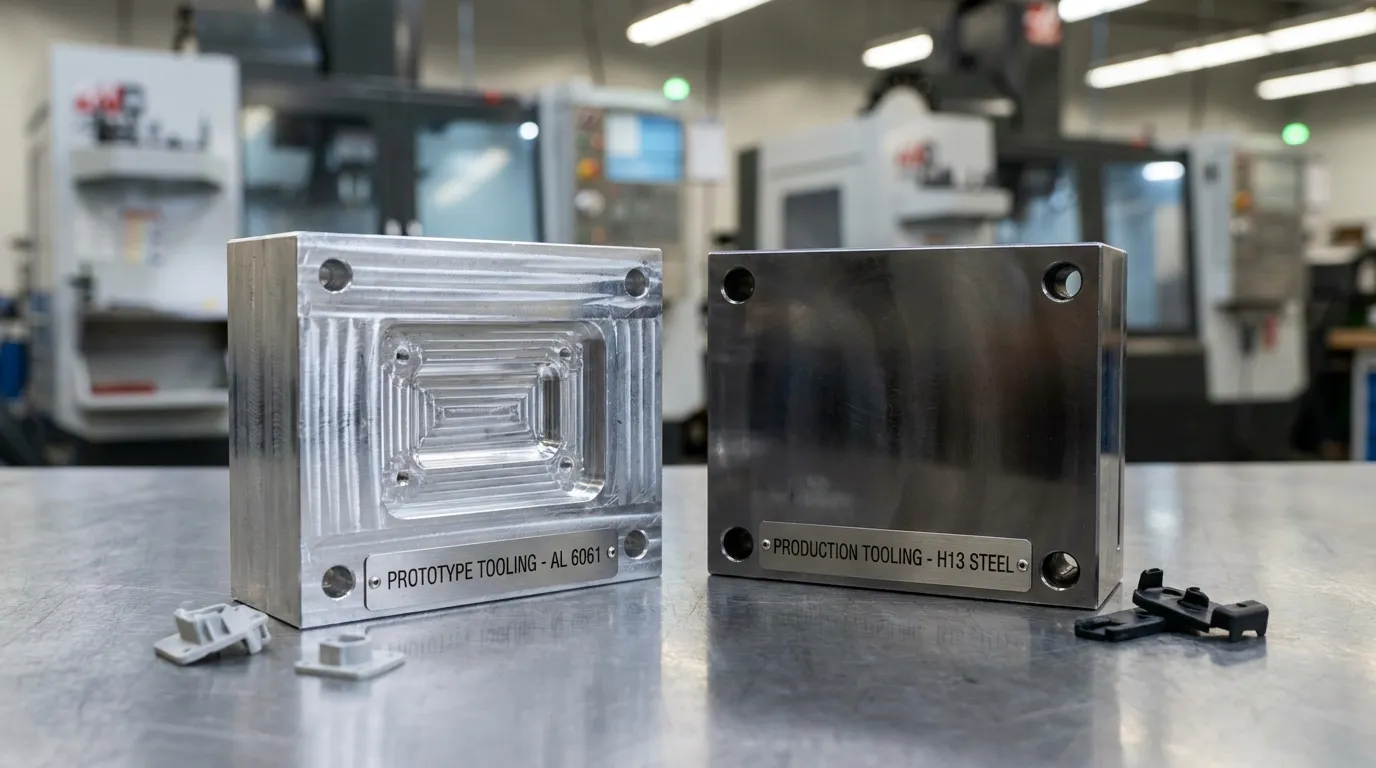
Production volume directly affects tooling strategy. Low-volume projects may justify aluminum prototype molds, while long production runs often require hardened steel tooling, additional cavities, and stronger wear resistance.
Suppliers ask about annual production volume because mold lifespan expectations change tooling design decisions immediately. A prototype tool built for 3,000 parts is very different from a production tool expected to run hundreds of thousands of cycles.
Low-volume buyers sometimes assume steel tooling is always the safest option. That is not always true. For shorter production runs, aluminum tooling may reduce lead time and upfront tooling cost without creating performance problems.
Narzędzia aluminiowe vs stalowe
| Typ narzędzi | Najlepsze dla | Typowa długość życia | Koszt względny |
|---|---|---|---|
| Narzędzia aluminiowe | Prototypy i serie o niskim wolumenie | Niższy okres życia cyklu | Niższe koszty początkowe |
| Stal wstępnie hartowana | Produkcja średnia | Średni cykl życia | Koszt umiarkowany |
| Hartowana stal | Długie serie produkcji | Wysoki czas trwania cyklu | Wyższy koszt początkowy |
Porównanie narzędzi prototypowych i produkcyjnych
| Produkcja | Zalecane narzędzia | Typowe ubytki | Czas realizacji | Najlepszy przypadek użycia |
|---|---|---|---|---|
| Under 5,000 units | Aluminiowa forma prototypowa | Pojedyncza komora | Szybciej | Testowanie produktów |
| 5,000 to 100,000 units | Stal wstępnie hartowana | Pojedyncza lub podwójna komora | Umiarkowany | Stabilna produkcja komercyjna |
| Ponad 100,000 units | Hartowana stal | Wielokomorowe | Dłuższy | Długoterminowa produkcja masowa |
Production forecasts also affect cavity count decisions. Higher-volume parts may justify multi-cavity tooling to reduce cycle time and improve manufacturing efficiency.
Trade conditions can also influence sourcing decisions. Some manufacturers adjusted tooling strategies during recent tariff changes and supply chain disruptions, according to Advantech Plastics.
If you are evaluating different tooling approaches, Narzędzia do form na zamówienie explains how manufacturers match tooling strategy to production goals.
What causes quotation delays for custom injection molds?
Most quotation delays happen because suppliers must clarify missing technical details before tooling evaluation can begin. Niekompletne rysunki, undefined materials, and unclear production targets typically slow both pricing and manufacturability review.
One of the biggest causes of delay is incomplete RFQ documentation. Suppliers cannot evaluate tooling risk accurately when key information is missing. That usually leads to engineering questions, revised assumptions, and multiple quotation updates.
Common RFQ problems include:
- Brakujące poprawki CAD
- Nieokreślone stopnie żywicy
- Brak rocznego szacunku wolumenu
- Niejasne wywołania tolerancji
- Brakujące odniesienia do asemblera
- Niepełne notatki dotyczące zgodności
- Niepewne wymagania dotyczące wysyłki
A common example involves overseas mold shipment planning. Buyers sometimes finalize tooling without preparing proper customs documentation or mold classification details. Według USA. Służba Celna i Ochrony Granic, customs review and import documentation accuracy can affect shipment processing times.
Mold classification details can also affect customs handling and HS code processing, as explained by FreightAmigo.
Design revisions after steel cutting create another major delay risk. Once tooling manufacturing starts, geometry changes often increase machining time and project cost. Rozwiązania inżynieryjne Ulitech notes that post-approval changes can extend tooling schedules significantly.
If you want better visibility into tooling stages before sending your RFQ, to Przepływ pracy w produkcji form explains how suppliers move from design review into production.
What should buyers confirm before sending the RFQ package?
Before contacting suppliers, buyers should review the RFQ package one final time. Small missing details often create avoidable delays during engineering review.
Use this checklist before submission:
- Potwierdzaj, że dołączono najnowszą wersję CAD
- Zweryfikować wszystkie wymiary i notatki tolerancyjne
- Ostateczne ustalenia wymagań dotyczących jakości żywicy i zgodności
- Określ oczekiwania dotyczące rocznej liczby produkcji
- Określ wymagania dotyczące powierzchni kosmetycznych
- Uwzględnij odniesienia do asembleru, jeśli wiele części ze sobą współgra
- Dodaj wymagania dotyczące opakowań lub etykiet, jeśli to istotne
- Potwierdź harmonogram realizacji celu
Material selection should be finalized before requesting production quotations whenever possible. Resin uncertainty creates tooling revisions later because shrinkage, Odporność na zużycie, and processing assumptions may change.
Buyers should also avoid over-specifying tolerances. Tight dimensions should only apply where they affect product fit or function. Excessive precision requirements often increase tooling cost without improving the final product.
If you are preparing to compare manufacturers or move toward supplier selection, Partner do formowania wtryskowego provides a broader look at production support and manufacturing capabilities.
Poprawne wykonanie kolejnego kroku
A strong RFQ package makes the custom injection mold quotation process faster and more accurate. Suppliers can evaluate tooling complexity, material behavior, and production requirements much more efficiently when technical details are complete from the start.
Before requesting pricing, review your CAD files, resin specifications, production forecasts, and tolerance requirements carefully. Small gaps in the RFQ stage often create bigger delays later during tooling approval and production planning.
The goal is simple: reduce revisions, avoid assumptions, and give suppliers enough information to quote the right tooling solution the first time.
Najczęściej zadawane pytania
How long does it take to build a custom injection mold?
Simple molds may take a few weeks, while complex production molds can require several months depending on cavity count, Tolerancje, oraz wymagania walidacyjne. Design revisions after tooling begins usually extend lead time further.
Which plastic should I use for my application?
The correct plastic depends on strength, Odporność na ciepło, Ekspozycja chemiczna, Wymagania kosmetyczne, oraz potrzeb regulacyjnych. Suppliers usually recommend materials after reviewing the part design and product environment.
Czy narzędzia powinny być wykonane z aluminium czy stali?
Aluminum tooling works well for low-volume projects and prototype production, while steel tooling is better for long production runs and higher durability requirements. Production volume usually determines the best option.
What determines injection mold cost?
Injection mold cost depends on tooling complexity, Liczba ubytków, Wymagania tolerancyjne, Oczekiwania dotyczące wykończenia powierzchni, oraz wolumen produkcji. Incomplete RFQ information can also increase engineering review time and quotation revisions.
What files should I send for a mold quotation?
Most suppliers request editable 3D CAD files such as STEP or IGES formats together with 2D technical drawings. Assembly references and material specifications also improve quotation accuracy.
Why do mold quotations get delayed?
Mold quotations are commonly delayed by incomplete technical information. Missing dimensions, undefined materials, unclear production targets, or late design revisions often force suppliers to pause engineering review and request clarification.
Udostępnij:



Napisane przez Sunshine
W Sunshine, Jesteśmy profesjonalnym producentem i dostawcą komponentów do precyzyjnych form, oferując szeroką gamę produktów do tłoczenia i formowania wtryskowego. Naszym głównym celem są formy do dziurkania, Sworznie wyrzutowe i tuleje, oraz słupy i tuleje. Dzięki zaawansowanej obróbki CNC, Ścisła kontrola jakości, oraz silne możliwości produkcyjne, Zapewniamy niezawodność, Części o wysokiej precyzji, wraz ze standardowymi komponentami dostępnymi na stanie, zapewniającymi szybkie i efektywne globalne dostawy.
WIADOMOŚCI
UZYSKAJ USŁUGĘ
Z wysokiej jakości częściami dostosowanymi do każdego budżetu oraz przyjaznym personelem przeszkolonym, by Twoja wizyta była poinformowana i bezproblemowa.
