



Producenci niestandardowych form plastikowych: Jak porównać koszty, Jakość, oraz Leadtime
Custom plastic mold manufacturers should be compared on more than tooling price alone. Buyers need to evaluate engineering support, mold quality, production readiness, lead time reliability, and export experience before approving a supplier. A low-cost mold can create expensive delays, tooling revisions, scrap problems, and unstable production if the manufacturer lacks process control and long-term manufacturing support.
Choosing a mold manufacturer affects far more than the first invoice. A supplier with weak DFM support, poor communication, or unrealistic lead times can delay production for weeks and increase costs long after tooling ships. This guide explains how to compare suppliers properly, what warning signs to watch for, and how to avoid common sourcing mistakes before production starts.
How should buyers compare custom plastic mold manufacturers?
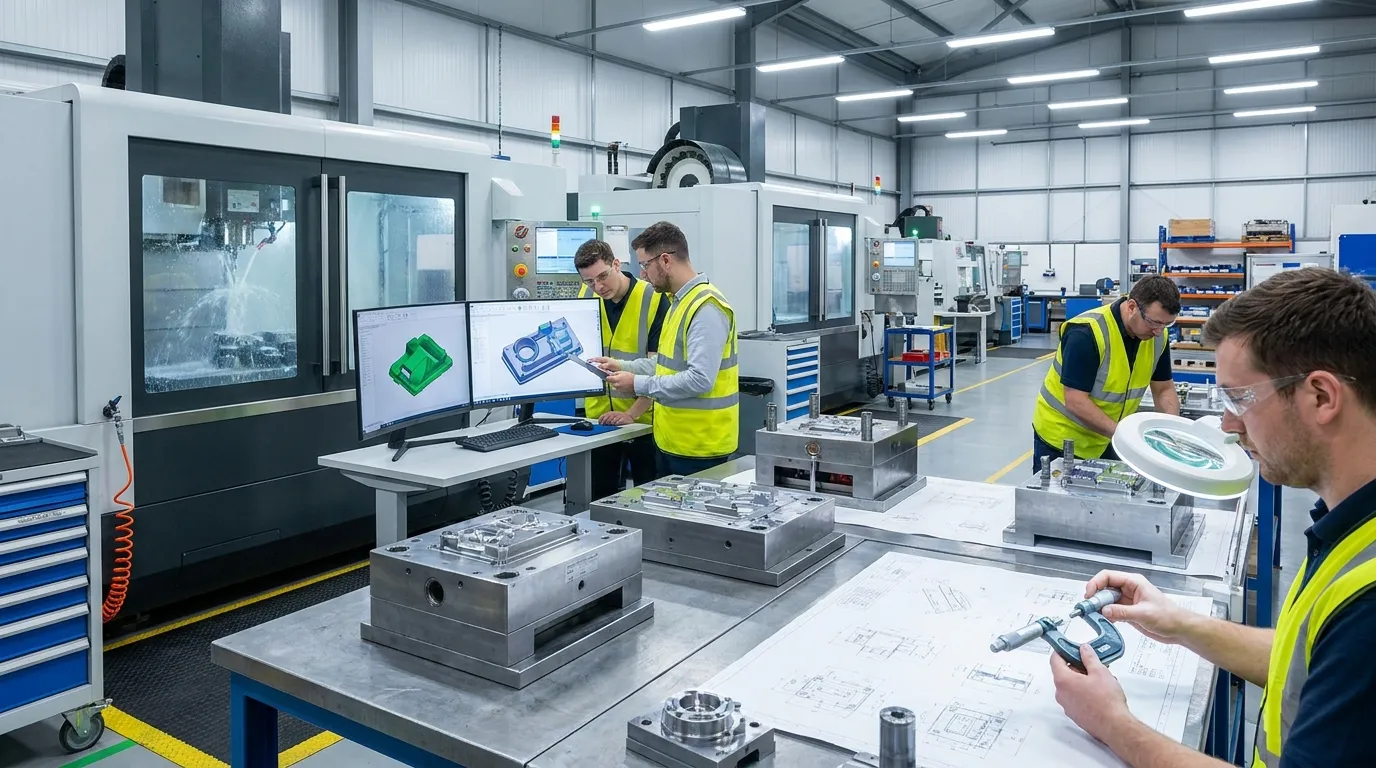
Custom plastic mold manufacturers should be compared on engineering support, tooling quality, production readiness, and delivery reliability. A cheaper supplier can create higher long-term costs through delays, tooling revisions, or unstable production.
Most buyers compare suppliers by quoted mold cost first. That’s understandable, but it rarely gives the full picture. The better approach is to compare how each supplier supports the entire production process, from DFM review to sampling and long-term mold maintenance.
A supplier that communicates clearly and catches design issues early can reduce delays and scrap later. That matters far more than saving a small percentage on the initial tooling quote.
| Obszar porównawczy | Dostawca o niskich kosztach | Niezawodny partner produkcyjny |
|---|---|---|
| Wsparcie DFM | Ograniczone lub reaktywne | Wczesne informacje zwrotne inżynierskie |
| Proces kontroli jakości | Podstawowa inspekcja | Udokumentowany system kontroli jakości |
| Obsługa wersji | Dodatkowe opłaty powszechne | Proces strukturalnej rewizji |
| Komunikacja | Powolne lub niespójne | Regularne aktualizacje i śledzenie |
| Gotowość produkcyjna | Skup się wyłącznie na narzędziach | Wspiera zwiększenie produkcji |
| Doświadczenie eksportowe | Limitowane | Zajmuje się dokumentacją wysyłkową i logistyką |
Buyers should also review previous production experience, tooling validation procedures, and sampling methods before approving a supplier. If you’re evaluating multiple vendors, reviewing experienced Dostawcy form wtryskowych can help clarify what full-service manufacturing support should look like.
Why do mold quotes vary so much between suppliers?
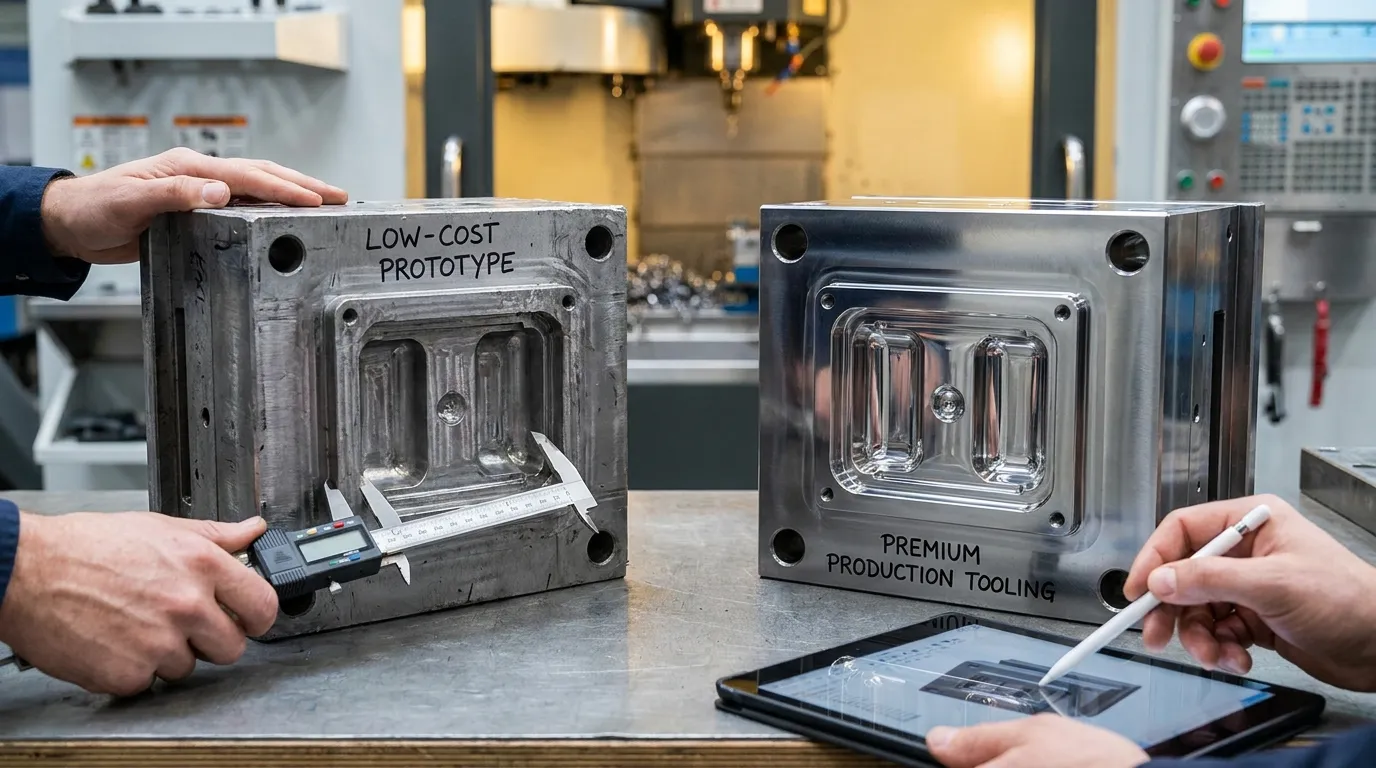
Mold pricing changes based on tooling steel, Złożoność, Liczba ubytków, engineering support, and production expectations. Low-cost quotes often exclude revision support, advanced QC, or process optimization that reduces manufacturing problems later.
Two suppliers can quote the same part at very different prices because they’re not building the same tooling package. One quote may include hardened steel, production validation, and multiple sampling rounds. Another may only cover basic mold construction with minimal engineering support.
That difference becomes expensive once production starts.
| Czynnik kosztowy | Podejście niższego kosztu | Podejście o wyższych kosztach |
|---|---|---|
| Stal formowa | Miękki materiał | Hartowana stal produkcyjna |
| Ubytki | Pojedyncza komora | Narzędzia produkcyjne wielokomorowe |
| Recenzja DFM | Minimal | Szczegółowy przegląd zdolności produkcyjnych |
| Próbkowanie | Testy ograniczone | Wieloetapowa walidacja |
| Standardy QC | Podstawowe testy | Inspekcja ścisłych tolerancji |
| Wsparcie rewizji | Obciążone osobno | Uwzględnione w zakresie projektu |
Ukryte koszty, które kupujący często przeoczą
A low quote can become expensive if tooling revisions appear during sampling. One startup saved money by selecting a low-cost overseas mold supplier, but lost nearly three weeks after failed sampling required additional tooling adjustments. The supplier’s quote didn’t include revision support, so every change increased cost and delayed production.
Fast lead times can also hide risk. Some suppliers quote aggressive timelines without including design revisions, sampling approval, or customs clearance. That creates unrealistic expectations before production even begins.
If you’re comparing pricing structures, reviewing a detailed Proces wyceny formy can help you identify what should be included before approving tooling.
What separates a reliable production partner from a low-cost mold vendor?
Reliable mold manufacturers support the entire production lifecycle, including DFM review, tooling validation, quality control, and process optimization. Suppliers focused only on quoting tooling often create downstream production and delivery problems.
A mold vendor may build the tool successfully, but still struggle during production ramp-up. That’s where experienced manufacturing partners stand apart. They treat tooling as part of a larger production system, not as a standalone transaction.
Engineering communication is one of the clearest differences between suppliers. A manufacturer that asks detailed questions about resin selection, Grubość ściany, Tolerancje, and expected production volume is usually trying to prevent downstream problems before steel cutting starts.
Oznaki wiarygodnego partnera produkcyjnego
- Dostarcza szczegółowe informacje zwrotne dotyczące DFM przed zatwierdzeniem narzędzi
- Procedury kontroli dokumentów i kontroli jakości
- Jasno wyjaśnia zasady rewizji
- Wspiera próbkowanie i optymalizację procesów
- Czasy realizacji torów i kamienie milowe produkcji
- Plany dotyczące utrzymania pleśni i długoterminowej stabilności produkcji
The cheapest mold quote is not always the lowest production cost. Suppliers that skip DFM review or process validation often create expensive tooling corrections later. Reviewing proven Usługi formowania wtryskowego na zamówienie can help buyers understand how engineering support affects long-term manufacturing performance.
For a broader technical overview of tooling structure and terminology, the Przegląd komponentów formy explains the key parts that influence mold durability and performance.
What lead times should buyers realistically expect?
Most custom mold projects take several weeks to months from RFQ to production approval. Zmiany konstrukcyjne, tooling complexity, sampling, and customs clearance can significantly extend schedules beyond the original quoted lead time.
Many buyers underestimate how many stages exist between quoting and production approval. Projektowanie narzędzi, machining, Zgromadzenie, sampling, Poprawki, and logistics all affect the final timeline.
Prototype tooling often moves faster because aluminum molds are easier to machine. Production tooling usually requires more validation and tighter QC standards.
| Etap projektu | Typowy wpływ na oś czasu |
|---|---|
| Recenzja DFM | Od kilku dni do 2 tygodni |
| Projektowanie narzędzi | 1-3 tygodnie |
| Produkcja form | Kilka tygodni |
| Pobieranie próbek i testowanie | 1-2 tygodnie |
| Poprawki narzędzi | Zmienna |
| Żegluga i cła | Od kilku dni do tygodni |
A buyer producing short-run parts may benefit from aluminum tooling instead of hardened steel. Aluminum molds reduce upfront cost and shorten machining time, making them useful for prototypes or limited production volumes. Hardened steel tooling is usually safer for larger production runs where durability matters more.
Jak cła i taryfy mogą opóźniać harmonogramy
Customs delays are often ignored during supplier selection. Nieprawidłowe kody HS, incomplete shipping documents, or tariff-related inspections can hold tooling shipments longer than expected. The Bangladesh customs authority provides updated guidance on clearance procedures through Służby celne Bangladeszu oraz Krajowa Rada Skarbowa Służb Celnych.
Tariff pressure can also affect lead times if suppliers change production routes or shipping strategies. The plastics industry has continued monitoring tariff-related supply chain disruptions through Stowarzyszenie Przemysłu PLASTIKOWEGO.
Which supplier questions reveal future production problems early?
The right questions can expose communication gaps, tooling risks, and production limitations before money is committed. Buyers should push suppliers to explain how they handle revisions, validation, QC, and scheduling instead of accepting short sales answers.
A supplier that struggles to explain its process usually creates problems later. Clear answers often signal stronger production systems and engineering involvement.
Lista kontrolna oceny dostawców
- Who owns the mold after production begins?
- What revision support is included in the quote?
- How are sampling failures handled?
- What QC documents are provided during production?
- How often will project updates be shared?
- What happens if lead times change?
- Can the supplier support production scaling later?
- What export and customs experience does the supplier have?
One common problem appears during mold testing. A supplier may quote tooling competitively, then charge additional engineering fees after sampling reveals shrinkage or tolerance issues. Asking about revision policy early helps avoid those surprises.
If you’re preparing supplier RFQs, using a structured Poproś o wycenę narzędzi process makes it easier to compare vendors consistently.
When is the cheapest mold supplier actually more expensive?
The cheapest mold supplier becomes expensive when tooling defects, unstable production, delayed revisions, or poor communication increase downtime and corrective costs. Buyers should evaluate total production risk, not only initial tooling price.
Low-cost tooling can work well in the right situation. Formy prototypowe, low-volume production, or simple part designs may not require premium tooling systems. Problems start when buyers expect high-volume production performance from suppliers focused only on minimizing upfront cost.
A supplier with stronger engineering communication is often safer than a supplier offering the absolute lowest tooling price.
Tabela scenariuszy ukrytych kosztów
| Scenariusz | Początkowe oszczędności | Wpływ na produkcję | Ostateczny wynik |
|---|---|---|---|
| Tanie stalowe narzędzia | Niższa wycena na początku | Szybsze zużycie i przeróbki | Wyższe koszty utrzymania |
| Recenzja Limited DFM | Obniżone opłaty inżynieryjne | Problemy ze złomem i tolerancją | Więcej przestojów w produkcji |
| Słaba polityka rewizji | Tania wstępna wycena | Kosztowne zmiany narzędzi | Opóźniony start |
| Słabe planowanie eksportu | Niższy szacunkowy zakres logistyczny | Opóźnienia w odprawie celnej | Nieudane harmonogramy dostaw |
| Minimalna kontrola jakości | Szybsza produkcja | Wyższe wskaźniki defektów | Wzrost kosztów złomowania |
One manufacturer reduced scrap rates significantly after a supplier performed DFM adjustments before steel cutting. Another buyer faced weeks of delay because tooling revisions started only after failed sampling. Those differences usually trace back to supplier engineering support, not machining capability alone.
Recenzja z doświadczeniem Producenci form plastikowych can help buyers compare how different suppliers approach production quality and process stability.
How can buyers reduce customs, Logistyka, and tariff risk?
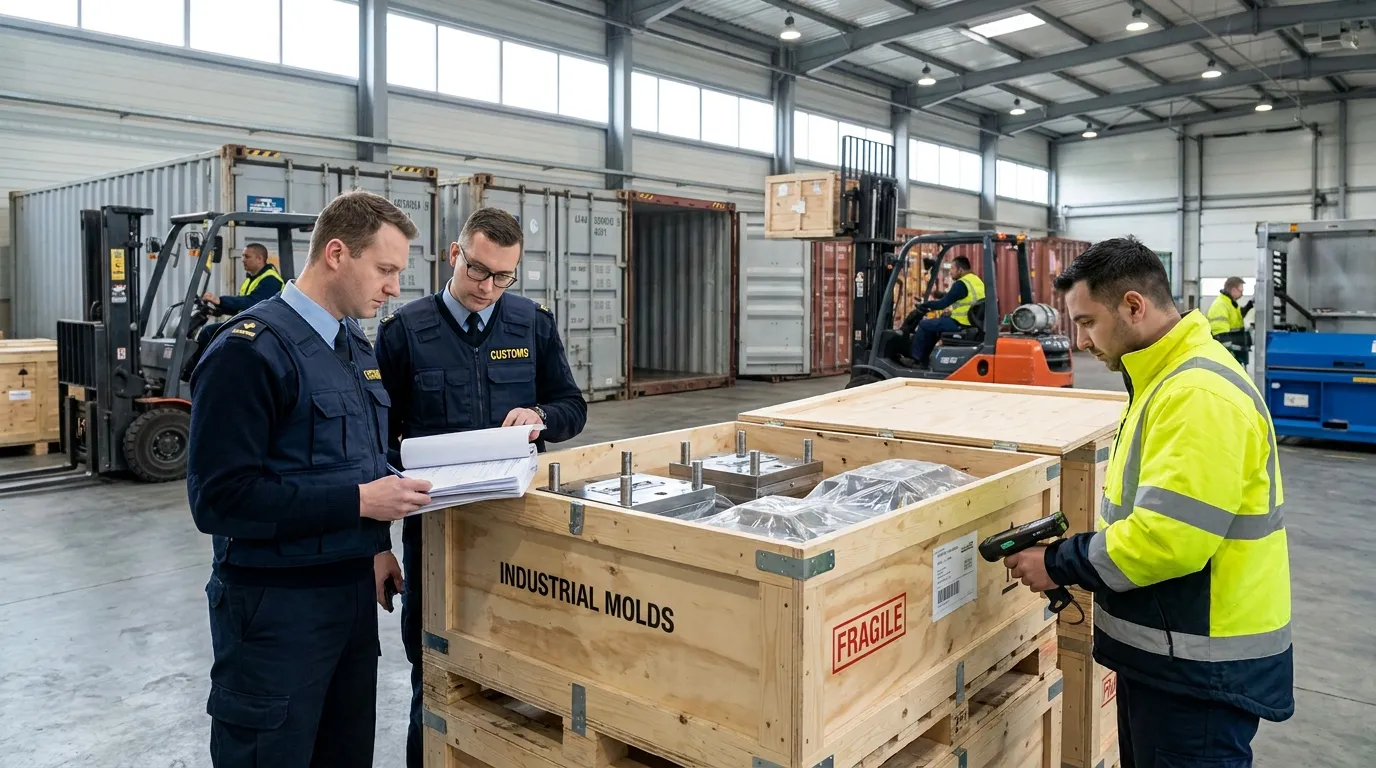
Customs delays often come from incorrect documentation, tariff classification issues, or incomplete shipment planning. Buyers should confirm HS codes, shipping terms, and export documentation before tooling ships internationally.
Logistics planning should start before tooling production begins. Buyers often focus on mold cost and lead time, but shipping paperwork can delay a project just as easily as machining problems.
Suppliers with export experience usually manage these issues more effectively because they understand customs documentation requirements and international shipping procedures.
Lista kontrolna dotycząca ceł i logistyki
- Potwierdź poprawny kod HS przed wysyłką
- Weryfikacja Incoterms i odpowiedzialności za wysyłkę
- Przeglądaj dokumentację celną na wczesnym etapie
- Dodaj czas bufora harmonogramu dla inspekcji
- Potwierdź zgodność z pakowaniem i eksportem
- Śledzenie zmian związanych z taryfami w transportzie
A shipment can sit in customs for days if the documentation is incomplete or inconsistent. One buyer lost production time because tooling paperwork used incorrect product classification details, triggering additional customs review.
For broader tooling and production education, the Przewodnik po formach wtryskowych explains how manufacturing decisions affect production planning and tooling performance.
What should buyers do before approving a mold manufacturer?
Supplier approval should happen only after engineering capability, communication process, tooling ownership terms, and production support are verified clearly. A fast quote or low tooling cost should never replace a structured evaluation process.
The best manufacturers explain risks early instead of hiding them until production begins. That transparency usually saves time and money later.
Ostateczna lista kontrolna zatwierdzenia przez dostawców
- Dokładnie przejrzyj opinie DFM
- Potwierdź warunki własności narzędzi
- Weryfikacja kontroli jakości i procedur inspekcji
- Proś o realistyczne planowanie czasu realizacji
- Przegląd, przegląd i politykę utrzymania
- Zweryfikować doświadczenie eksportowe i logistyczne
- Potwierdź możliwość skalowania produkcji
A supplier focused on long-term manufacturing support usually communicates differently from one focused only on winning the quote. That difference becomes obvious during engineering review, sampling, and revision discussions.
If you’re moving from supplier comparison into production planning, working with an experienced Partner do formowania na zamówienie can simplify tooling validation and long-term production support.
Poprawne wykonanie kolejnego kroku
Choosing custom plastic mold manufacturers is really about reducing production risk. The right supplier should support tooling, sampling, Komunikacja, Logistyka, and long-term manufacturing stability instead of focusing only on the lowest quote.
Before approving a manufacturer, compare how each supplier handles DFM review, revision management, QC systems, and delivery planning. Those areas often decide whether production runs smoothly or turns into a costly delay. A careful supplier evaluation process usually saves more money than chasing the cheapest tooling price.
Najczęściej zadawane pytania
How much does a plastic injection mold cost?
Plastic injection mold costs depend on part complexity, Liczba ubytków, tooling material, and expected production volume. Prototype molds usually cost less than hardened steel production tooling built for long manufacturing runs.
How long does it take to build a mold?
Most mold projects take several weeks to several months depending on tooling complexity, Poprawki, sampling, and supplier capacity. Shipping and customs clearance can also extend delivery schedules.
What certifications should I look for in a mold manufacturer?
Buyers often look for ISO-based quality systems and documented inspection procedures. Certifications help, but suppliers also need strong engineering communication and production controls to support stable manufacturing.
Who owns the mold after it is built?
Mold ownership depends on the supplier agreement and tooling contract terms. Buyers should confirm ownership rights, maintenance responsibility, and mold transfer procedures before production approval. For international tooling agreements, Przewodnik narzędziowy Harrisa Sliwoskiego explains common legal concerns.
What causes injection molding project delays?
Common delays include tooling revisions, failed sampling, shipping disruptions, customs inspections, and poor communication. Unrealistic lead-time estimates can also create production scheduling problems later.
Should tooling be made from aluminum or steel?
Aluminum tooling works well for prototypes and short production runs because it reduces machining time and cost. Hardened steel molds are usually better for high-volume production where durability and long-term stability matter more.
Udostępnij:



Napisane przez Sunshine
W Sunshine, Jesteśmy profesjonalnym producentem i dostawcą komponentów do precyzyjnych form, oferując szeroką gamę produktów do tłoczenia i formowania wtryskowego. Naszym głównym celem są formy do dziurkania, Sworznie wyrzutowe i tuleje, oraz słupy i tuleje. Dzięki zaawansowanej obróbki CNC, Ścisła kontrola jakości, oraz silne możliwości produkcyjne, Zapewniamy niezawodność, Części o wysokiej precyzji, wraz ze standardowymi komponentami dostępnymi na stanie, zapewniającymi szybkie i efektywne globalne dostawy.
WIADOMOŚCI
UZYSKAJ USŁUGĘ
Z wysokiej jakości częściami dostosowanymi do każdego budżetu oraz przyjaznym personelem przeszkolonym, by Twoja wizyta była poinformowana i bezproblemowa.
