



Plastic Injection Mold: Konstrukcja, Koszty, and Manufacturing Checklist
Plastic injection mold projects succeed when buyers review design manufacturability, tooling cost drivers, supplier capability, and production timelines before steel cutting starts. Mold cost depends on complexity, Ubytki, Tolerancje, and steel type. Buyers should confirm CAD files, Wybór żywicy, inspection plans, and shipping expectations early to avoid redesign costs, launch delays, and production-quality problems.
A mold quote can look straightforward until production starts. Then hidden issues appear: Zmiany w projekcie, unclear tolerances, missed approvals, or tooling delays that push back launch schedules. Buyers who understand the manufacturing process early usually avoid the most expensive mistakes. This guide explains what affects tooling cost, what suppliers need before quoting, and what to check before approving production tooling.
What is a plastic injection mold and what does the buyer actually pay for?
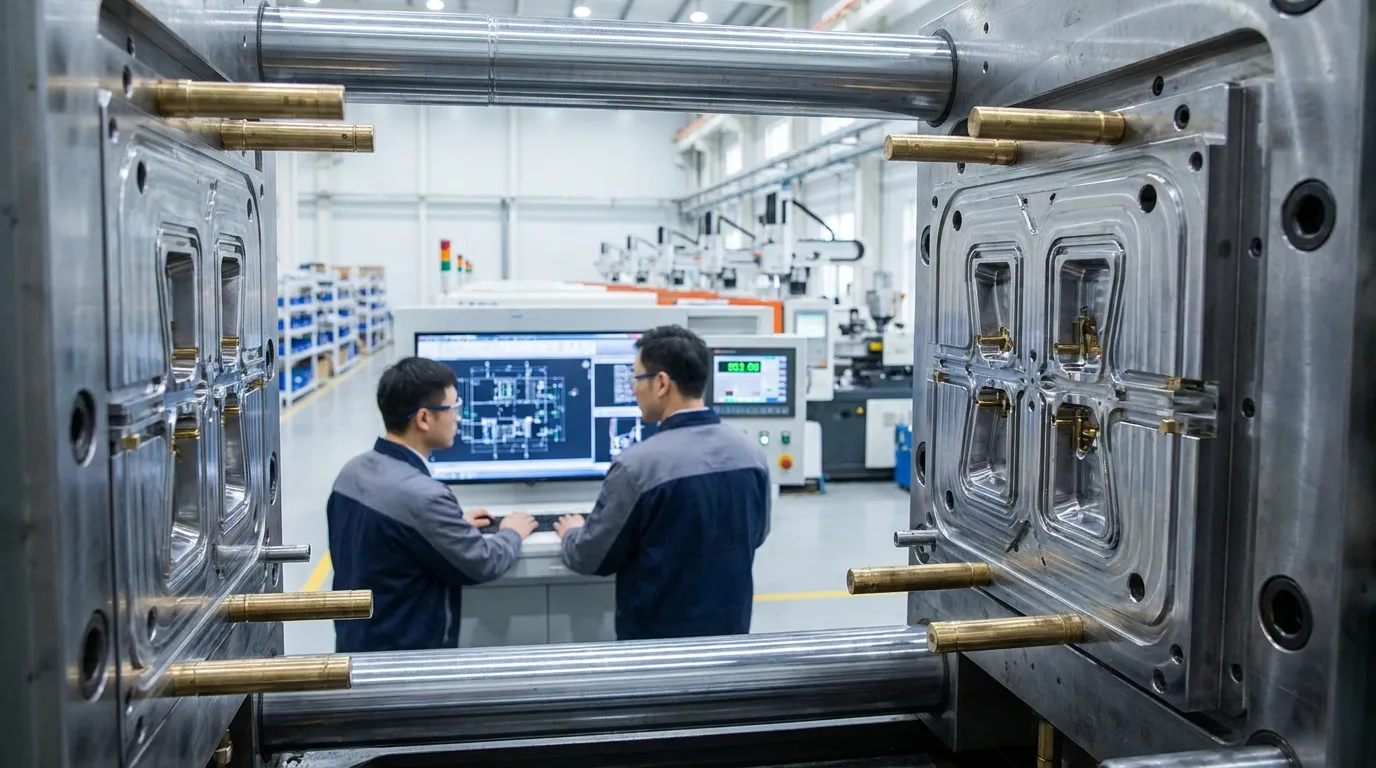
A plastic injection mold is the tooling system used to form plastic parts repeatedly at production scale. Buyers are paying for engineered tooling, Precyzja obróbki, Systemy chłodzenia, Walidacja, and long-term production stability, not just a metal block.
A production mold includes far more than the cavity that shapes the part. It also includes cooling channels, Systemy wyrzutowe, alignment components, machining work, Polerowanie, Walidacja, and process engineering. If you need a refresher on tooling terminology, to Podstawy formowania wtryskowego guide explains the main systems in more detail.
Most suppliers also include design-for-manufacturing (DFM) review before cutting steel. Według Przewodnik po formowalności Protolabs, Geometria części, Grubość ściany, and gate placement directly affect manufacturability and tooling complexity.
Buyers are usually paying for these areas:
- Podstawa formy i elementy stalowe
- Obróbka rdzenia i komory
- Systemy chłodzenia i wyrzutu
- Przegląd DFM i wsparcie inżynieryjne
- Próbkowanie i walidacja
- Wykańczanie powierzchni i polerowanie
- Testy gotowości produkcyjnej
Low-cost tooling is not always cheaper long term. A cheaper mold that requires repeated repairs or unstable production cycles often costs more over the life of the project.
How much does a plastic injection mold cost in 2026?
Plastic injection mold cost depends mainly on part complexity, Liczba ubytków, Stalowy gatunek, Wymagania tolerancyjne, oraz przewidywana produkcja. Simple prototype molds may cost far less than hardened multi-cavity production tools designed for long lifecycle manufacturing.
A small prototype mold with loose tolerances is very different from a hardened steel production tool running hundreds of thousands of cycles. Buyers sometimes compare quotes without realizing the suppliers are quoting different tooling standards.
What increases tooling cost fastest?
Part complexity usually drives pricing faster than part size. Podcięcia, side actions, Teksturowane wykończenia, cienkie ściany, and tight tolerances all increase machining time and validation work.
Multi-cavity molds are not automatically the best choice. They improve production output, ale jednocześnie zwiększają wymagania dotyczące balansowania, cooling complexity, oraz koszty napraw.
Podział kosztów formowania wtryskowego
| Typ formy | Typowe zastosowanie | Liczba ubytków | Typ stalowy | Oczekiwany cykl życia | Koszt względny |
|---|---|---|---|---|---|
| Prototyp formy | Wczesne testy | 1 | Aluminium lub miękka stal | Niski wolumen | Dolne |
| Narzędzia mostowe | Produkcja średnia | 1-2 | Stal wstępnie hartowana | Średnia objętość | Medium |
| Forma produkcyjna | Produkcja długoterminowa | 2-8 | Hartowana stal | Duża liczba | Wyżej |
| Formy o wysokiej precyzji | Części o ścisłej tolerancji | Wielokomorowe | Stal hartowana premium | Bardzo duża ilość | Najwyższe |
A startup consumer electronics company may begin with a simpler prototype mold to validate fit and assembly. If annual demand grows later, they often move to hardened steel tooling with additional cavities for production efficiency.
Another common cost driver is design revision timing. A buyer who changes wall thickness after steel cutting may add weeks of machining revisions and extra validation cycles.
What design details should buyers review before approving tooling?
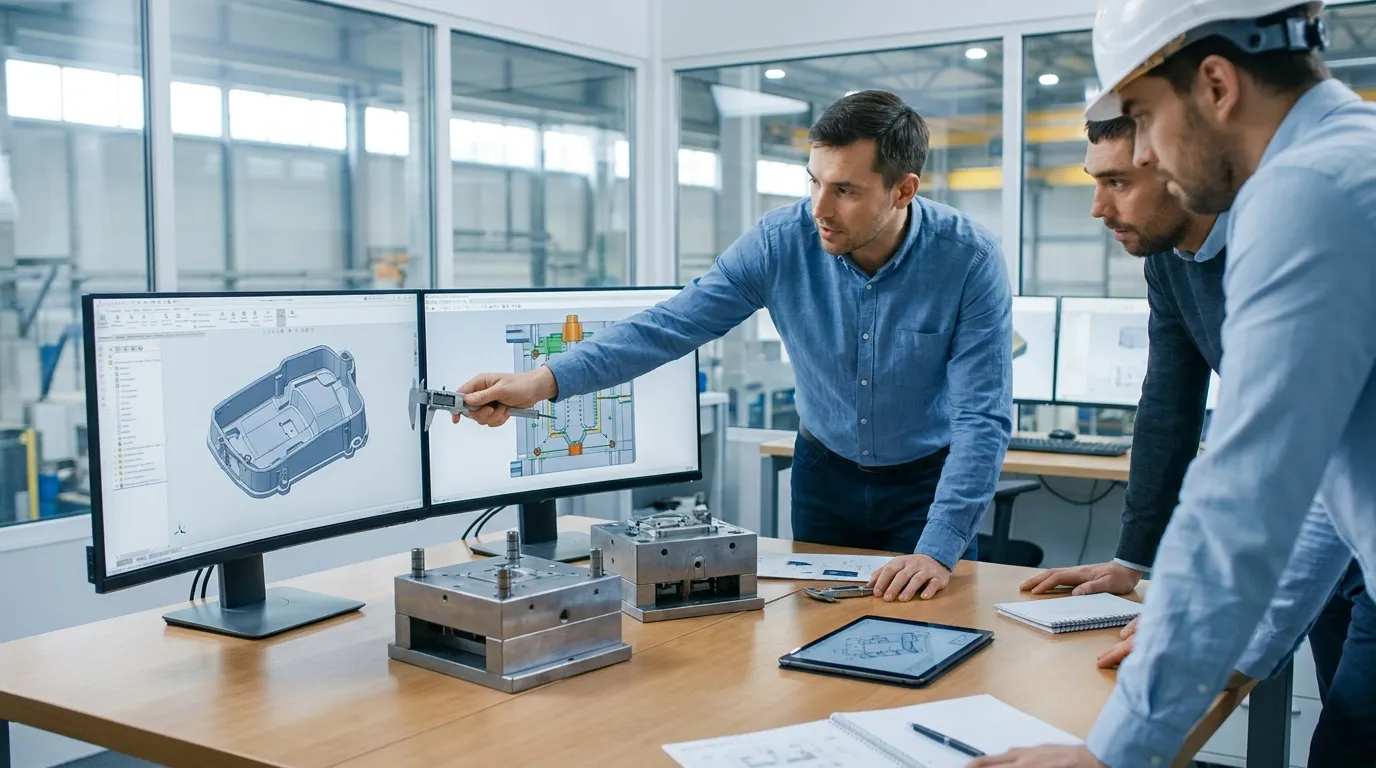
Buyers should review wall thickness consistency, Kąty draftu, podcina, rib dimensions, and parting line placement before tooling approval. Small design oversights before steel cutting often create the largest timeline and cost overruns later.
Most tooling delays begin with design decisions that looked harmless during CAD review. Once machining starts, even small geometry changes can require major tooling revisions.
Według Wskazówki dotyczące projektowania formowania wtryskowego Protolabs, consistent wall thickness helps reduce warping, ślady zapadnięcia, and filling problems. Draft angles also help parts eject cleanly from the mold without surface damage.
Which design changes become expensive after steel cutting?
Undercut changes are one of the biggest risks. Side actions and slides require additional machining and alignment work. Moving a parting line late in the project can also force cavity rework.
Rib thickness is another common issue. Thick ribs may create sink marks or uneven cooling. Thin ribs can create filling problems. Buyers should review these details during DFM approval, not during production troubleshooting.
If your design uses internal support features, this guide on Konstrukcja rdzenia explains how pin geometry affects molding stability and cooling performance.
Lista kontrolna do przeglądu projektu przed zatwierdzeniem narzędzia
- Potwierdź kąty zaciągu na pionowych ścianach
- Przegląd spójność grubości ścian
- Zidentyfikuj podcięcia i działania boczne
- Sprawdź wymiary żeber
- Potwierdź lokalizacje bramek
- Przegląd umieszczania linii rozdzielczej
- Sprawdź obszary krytyczne dla tolerancji
- Potwierdź wymagania kosmetyczne dotyczące powierzchni
A buyer can sometimes reduce tooling cost significantly by simplifying undercuts or removing unnecessary side actions before machining starts.
What information should you send to an injection mold supplier?
Suppliers cannot provide accurate tooling feedback without complete CAD files, resin requirements, Przewidywana produkcja, Oczekiwania tolerancji, and cosmetic standards. Missing information often causes quote revisions, redesign work, and tooling delays.
The best supplier conversations happen before quoting starts. If the supplier receives incomplete information, the quote often includes assumptions that create problems later.
Buyers should provide:
- Pliki CAD 3D
- Wymagania dotyczące żywicy lub materiałów
- Roczny wolumen produkcji
- Oczekiwania dotyczące kosmetyków
- Wymagania tolerancyjne
- Szczegóły montażu
- Wymagania dotyczące opakowania
- Harmonogram produkcji docelowej
A packaging supplier producing millions of parts per year may need hardened steel tooling and aggressive cooling systems. A startup building small pilot runs may not need the same tooling specification.
Alignment details also matter during early review. This article on Wyrównanie sworzni prowadzących explains how alignment systems affect mold accuracy and long-term wear.
How long does plastic injection mold manufacturing usually take?
Most production injection mold projects take several weeks to several months depending on mold complexity, sampling rounds, Zmiany w projekcie, and production validation requirements. Delays often happen after tooling changes or incomplete approvals.
Simple tooling may move quickly, but production-grade molds often require multiple stages before launch approval. Według Przegląd czasu realizacji Evok Poly, tooling complexity and validation cycles are major timeline factors.
Typowy harmonogram produkcji form
| Scena | Typowa działalność |
|---|---|
| Recenzja DFM | Przegląd wytwórczości i opinie projektowe |
| Mold design | Rdzeń, Ubytek, Chłodzenie, and gate planning |
| Cięcie stali | Obróbka i praca EDM |
| Zgromadzenie | Dopasowanie i ustawienie formy |
| Próbkowanie T1 | Pierwsze testy |
| Cykl rewizji | Regulacje narzędzi, jeśli są potrzebne |
| Walidacja | Ostateczne zatwierdzenie produkcji |
| Żegluga | Obsługa frachtu i celna |
Faster tooling timelines are not always safer. Some suppliers shorten validation time to appear competitive during quoting. That creates higher production-launch risk later.
What causes tooling delays most often?
Design revisions after steel cutting are one of the biggest causes. Sampling failures, incomplete approvals, material changes, and shipping paperwork problems also extend schedules.
A common example is a buyer approving CAD files before finalizing resin selection. If shrink rates change later, the supplier may need tooling adjustments before production approval.
What should buyers check before mold steel cutting starts?
Before steel cutting begins, buyers should confirm approved CAD files, Wybór żywicy, Lokalizacja bramy, tolerance standards, Metody inspekcji, oraz warunki własności. Fixing mistakes after machining starts is significantly more expensive and slower.
Steel cutting is the point where tooling moves from engineering review into expensive machining work. Buyers should treat this stage like a formal approval gate.
If tooling components need precision alignment and wear resistance, this article about Tuleje formowe explains how these systems support mold accuracy and service life.
Lista kontrolna zatwierdzenia przed cięciem stali
| Pozycja zatwierdzająca | Dlaczego to ważne |
|---|---|
| Ostateczna akceptacja CAD | Zapobiega kosztom poprawek geometrii |
| Potwierdzenie żywicy | Wpływa na szybkość kurczenia i chłodzenie |
| Zatwierdzenie lokalizacji bramek | Wypełnienie i kosmetyki |
| Porozumienie o tolerancji | Unika sporów dotyczących inspekcji |
| Zatwierdzenie wykończenia powierzchni | Zapobiega opóźnieniom przy ponownym polerowaniu |
| Plan inspekcji | Definiuje kryteria akceptacji |
| Oczekiwania dotyczące próbkowania | Wyjaśnia proces walidacji |
| Warunki własności narzędzia | Zapobiega przyszłym sporom |
| Harmonogram wysyłki | Zmniejsza ryzyko planowania startów |
A supplier quote comparison can reveal major differences here. One supplier may include multiple sampling revisions, while another charges separately for each correction cycle. Buyers should compare these details before approval, not after production problems appear.
How do you compare injection mold suppliers effectively?
Supplier evaluation should focus on process control and communication quality, not only pricing. A lower quote may exclude validation work, production support, or tooling revisions.
Według Lista kontrolna Rodon Group, buyers should ask about quality systems, Własność narzędzi, validation procedures, and production experience early in the quoting process.
Lista kontrolna porównania dostawców
| Obszar oceny | O co powinni pytać kupujący |
|---|---|
| Możliwości narzędziowe | Can they build similar molds? |
| Proces walidacji | How many sampling rounds are included? |
| Systemy jakości | What inspection methods are used? |
| Komunikacja | How quickly do they respond to revisions? |
| Konserwacja pleśni | Do they support long-term servicing? |
| Wsparcie transferowe | Can tooling move to another facility if needed? |
A buyer sourcing high-volume packaging parts may prioritize cycle-time optimization and cavity balancing. A medical-device startup may focus more on documentation and validation support.
Sygnały ostrzegawcze podczas oceny dostawcy
Slow engineering feedback is usually a bad sign. Suppliers who avoid detailed DFM discussions often create more production problems later.
Another warning sign is vague tooling specifications. If the quote does not clearly define steel type, included validation rounds, or tooling ownership terms, buyers should ask for clarification before approving the project.
For broader process context, Sunshine Pro's Proces produkcji form guide explains how tooling systems move from engineering into production.
What customs and shipping delays should buyers plan for?
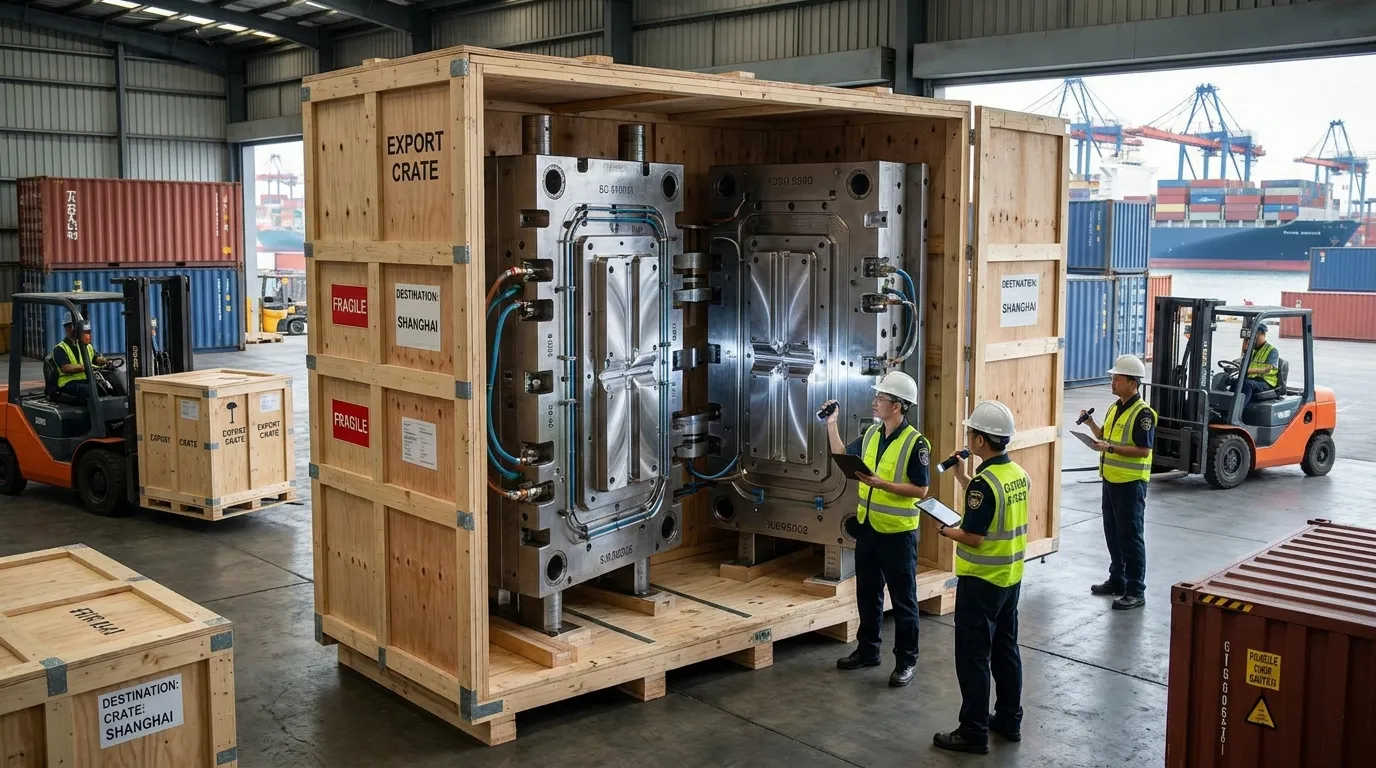
Injection mold delivery timelines can be affected by customs inspections, incomplete shipping paperwork, anti-dumping regulations, and freight delays. Buyers should build timeline buffers into launch schedules instead of relying on optimistic shipping estimates.
Many buyers plan around tooling completion dates but forget about shipping uncertainty. International mold shipments may face customs inspections, port delays, or missing documentation issues.
Trade rules can also affect import timing and costs. To Odniesienie do podatku antydumpingowego shows how trade actions can affect imported manufacturing materials and components.
Lista kontrolna ryzyka transportu i celnego
- Potwierdź dokładność faktur komercyjnych
- Sprawdź dokumenty dotyczące własności narzędzi
- Przejrzyj warunki ubezpieczenia wysyłki
- Wprowadź czas bufora startu w harmonogramy
- Potwierdź wymagania dotyczące skrzynek i opakowań
- Śledzenie dokumentacji celnej przed wyjazdem
A mold shipment delayed by customs paperwork can easily disrupt a production launch window. Buyers planning aggressive launch schedules should build contingency time into supplier agreements.
Ostateczna lista kontrolna dla kupujących przed zatwierdzeniem projektu wtrysku do plastiku
Przed zatwierdzeniem narzędzi, buyers should confirm technical requirements, supplier capability, validation scope, and delivery timing. Most expensive tooling mistakes happen because one of these areas was assumed instead of documented.
Use this final checklist before approval:
- Finalizuj wybór CAD i żywicy
- Potwierdź liczbę wnęk i stalowe narzędzia
- Dokładnie przeanalizuj zalecenia DFM
- Clarify uwzględnił poprawki próbkowania
- Zdefiniowanie standardów inspekcji i walidacji
- Zweryfikowaj warunki własności narzędzi
- Potwierdź planowanie wysyłki i cel
- Przejrzyj oczekiwania dotyczące konserwacji
- Dostosuj harmonogram startu do realistycznych czasów realizacji
Poprawne wykonanie kolejnego kroku
A plastic injection mold project becomes easier to manage when buyers focus on manufacturability and communication before steel cutting starts. The strongest projects usually have clear documentation, realistic timelines, and detailed supplier reviews from the beginning.
If you're comparing suppliers or reviewing a new product launch, start with the engineering details first. Cost matters, but long-term tooling stability, validation support, and production readiness usually have a bigger impact on manufacturing success.
Możesz też recenzować Sunshine Pro Kompletny przewodnik po komponentach formy for a broader overview of mold systems and tooling components.
Najczęściej zadawane pytania
How much does a plastic injection mold usually cost?
Plastic injection mold cost depends on part complexity, Liczba ubytków, steel type, Tolerancje, oraz przewidywana produkcja. Prototype tooling is usually less expensive than hardened production molds designed for high-volume manufacturing.
Jak długo trwa produkcja formy wtryskowej?
Injection mold manufacturing may take several weeks or months depending on tooling complexity, validation cycles, oraz obciążeniem pracą dla dostawców. Delays often happen when design changes are requested after machining begins.
Dlaczego narzędzia do formowania wtryskowego są drogie?
Tooling requires precision machining, Systemy chłodzenia inżynieryjnego, hardened steel components, and validation testing. Higher-volume molds also need stronger materials and tighter tolerances to maintain stable production.
What information should I send to a mold supplier?
Buyers should provide CAD files, resin requirements, Roczny wolumen produkcji, Oczekiwania tolerancji, Wymagania kosmetyczne, and assembly details. Incomplete information often leads to inaccurate quotes and tooling delays.
How long do injection molds last?
Mold lifespan depends on steel quality, Ścierność żywicy, maintenance practices, oraz wolumen produkcji. Hardened production molds can support very high cycle counts when maintained properly.
Co powoduje opóźnienia w projektach form wtryskowych?
Common delays include late design revisions, incomplete approvals, sampling failures, shipping problems, and customs inspections. Weak communication between buyer and supplier can extend timelines even further.
Udostępnij:



Napisane przez Sunshine
W Sunshine, Jesteśmy profesjonalnym producentem i dostawcą komponentów do precyzyjnych form, oferując szeroką gamę produktów do tłoczenia i formowania wtryskowego. Naszym głównym celem są formy do dziurkania, Sworznie wyrzutowe i tuleje, oraz słupy i tuleje. Dzięki zaawansowanej obróbki CNC, Ścisła kontrola jakości, oraz silne możliwości produkcyjne, Zapewniamy niezawodność, Części o wysokiej precyzji, wraz ze standardowymi komponentami dostępnymi na stanie, zapewniającymi szybkie i efektywne globalne dostawy.
WIADOMOŚCI
UZYSKAJ USŁUGĘ
Z wysokiej jakości częściami dostosowanymi do każdego budżetu oraz przyjaznym personelem przeszkolonym, by Twoja wizyta była poinformowana i bezproblemowa.
