


Precyzyjna obróbka CNC dla obudów siłowników robotycznych


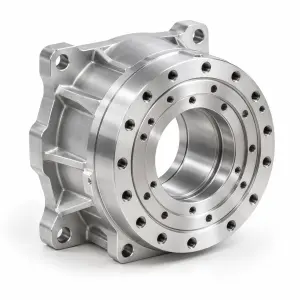
Obróbka CNC w obudowie siłownika robotycznego
Precyzyjna obróbka CNC dla obudów siłowników robotów z złożonymi wnękami, Miejsca z przystawami, Interfejsy silnika i skrzyni biegów, Otwory wałów, oraz cechy montażu czujników. Wspiera obróbkę 5-osiową, ciasna cukrzyca cukrzyca&Wymagania T, Wiele materiałów, oraz produkcję prototypową do produkcji niskomasowej.
- 5-osiowe CNC dla złożonych obudów siłowników
- Precyzyjny silnik, Skrzynia biegów & Interfejsy łożysk
- Ścisłe tolerancje & GD&Kontrola T
- Aluminium / Stal nierdzewna / Tytan
- Prototyp & Produkcja niskomasowa
Opis produktu
Wprowadzenie
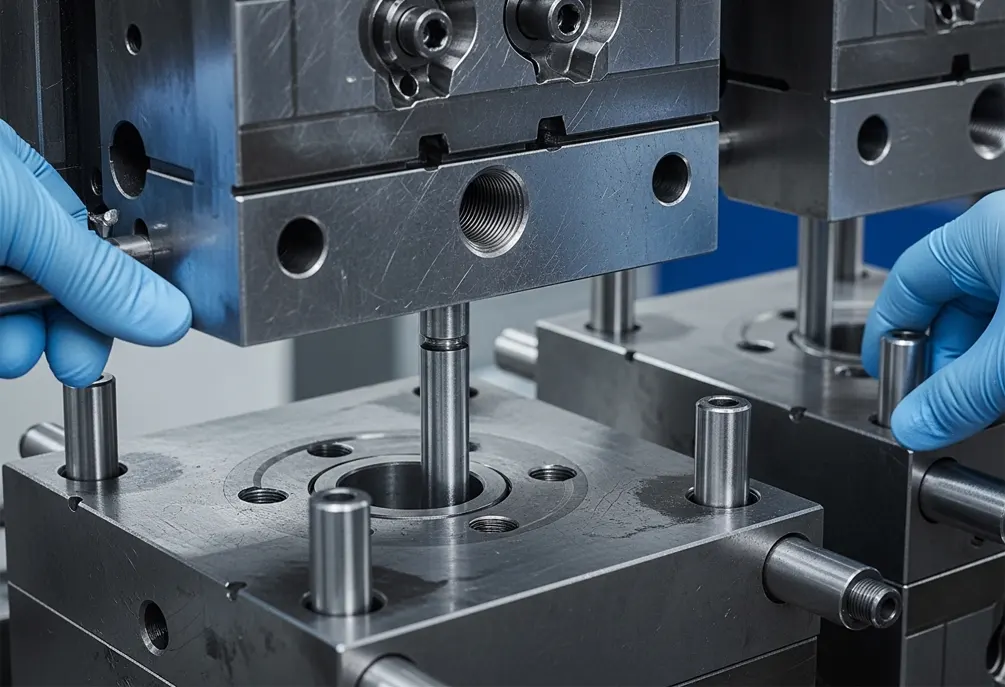
Obróbka CNC w obudowie siłowników robotycznej jest wykorzystywana do produkcji precyzyjnych obudów konstrukcyjnych integrujących silniki, Przekładnie, Łożyska, Wały, Enkodery, oraz inne elementy napędu w systemach siłowników robotycznych. Precyzyjna obróbka jest kluczowa dla utrzymania wyrównania, Zespół kompaktowy, Płynna skrzynia biegów, oraz powtarzalny ruch roboty.
Obudowy siłowników robotycznego często zawierają precyzyjne łożyska, Interfejsy koncentrycznego silnika i skrzyni biegów, głębokie jamy wewnętrzne, Struktury cienkościenne, Przejścia kablowe, Cechy montażu czujników, oraz wielokierunkowe otwory. Niewielkie odchylenia położenia cylindra, Koncentryczność, płaskość, lub powierzchnie montażowe mogą wpływać na wyrównanie wału, Dopasowanie łożysk, drgania, Reakcja negatywna, oraz wydajność siłownika.
Nasze możliwości CNC obejmują 3-osiowe, 4-osiowa, oraz frezowanie 5-osiowe, Nudne, Wiercenia, Gwintowanie, Stukanie, Precyzyjne wykończenie, oraz obróbkę wielopowierzchniową. Strategie obróbki, Workholding, Kontrola danych, a metody inspekcji są wybierane zgodnie z krytycznymi interfejsami, GD&Wymagania T, Grubość ściany, oraz warunki montażu.
Obudowy siłowników mogą być obrabiane ze stopów aluminium, Stal nierdzewna, Tytan, oraz inne materiały inżynieryjne, z anodowaniem, Twarde anodowanie, Pasywacja, Polerowanie, Powłoka, oraz inne dostępne procesy wtórne. Prototyp, Próbka inżynierska, a produkcja niskomasowa może być wspierana zgodnie z rysunkami klientów.
Specyfikacja
| Przedmiot | Specyfikacja |
|---|---|
| Nazwa produktu | Obróbka CNC w obudowie siłownika robotycznego |
| Materiał | Aluminium / Stal nierdzewna / Stal narzędziowa / Tytan / Miedź / Mosiądz / Tworzywa sztuczne inżynierskie |
| Proces produkcyjny | Frezowanie / toczenie / wiercenie / wiercenie / gwintowanie / gwintowanie / szlifowanie |
| Geometria części | Złożona geometria / cienkościenna / głęboka komora / precyzyjne otwory / niestandardowe |
| Tolerancja | Do ±0.005 mm / według rysunku |
| Wykończenie powierzchni | Precyzyjnie obrabiane / szlifowane / polerowane / na zamówienie |
| Kolor | Naturalne / Czarne / Zależne od materiału |
| Produkcja | Prototyp i produkcja niskomasowa |
| Inspekcja | CMM / miernik wysokości / mikrometr / zacisk / plan inspekcji niestandardowej |
| Dokumentacja | Raporty z inspekcji i dokumenty materialne na życzenie |
| Zastosowania | Roboty humanoidalne / Coboty / Roboty serwisowe / Roboty przemysłowe / Siłowniki robotyczne |
| Służba celna | Obsługiwane przez OEM i ODM |
Trzy kluczowe aspekty personalizacji, Dostosowane do Twoich potrzeb
Dostosowane rozwiązania CNC do obróbki dla złożonych komponentów robotycznych oraz wymagań precyzyjnego montażu.
Produkcja precyzyjna, Doskonała jakość
Obróbka geometrii złożonej
5-osiowe obróbki CNC wspierają głębokie wnęki, Otwory wielokątne, Miejsca z przystawami, Interfejsy silnika, Przejścia kablowe, oraz skomplikowane cechy montażowe, przy jednoczesnym ograniczeniu liczby ustawień i zachowaniu spójności na krytycznych powierzchniach.


Ścisła tolerancja & Inspekcja
Precyzyjne otwory, Miejsca z przystawami, Interfejsy wałów, a powierzchnie montażowe silników lub skrzyni biegów są starannie obrabiane, aby zachować koncentryczność, Ogranicz niewyrównanie, oraz wspierają stabilną pracę siłowników.
Materiały & Wykańczanie powierzchni
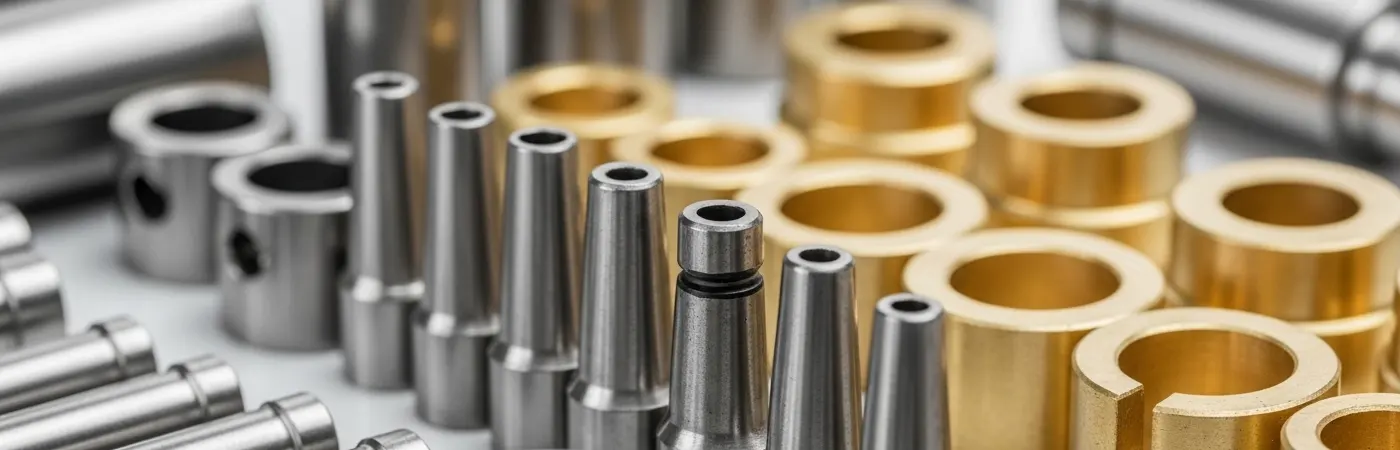
Stopy aluminium, Stal nierdzewna, Tytan, a inne materiały można wybierać według wagi, sztywność, Siła, Wymagania termiczne, oraz warunki eksploatacji, z wieloma dostępnymi zabiegami powierzchniowymi.


Inspekcja pod kątem niezawodnego montażu
CMM, Rozstawy średnicy, Mikrometry, oraz inne urządzenia inspekcyjne mogą weryfikować wymiary, Pozycja, Koncentryczność, płaskość, prostopadłość, oraz rozbicie silników wspierające niezawodny montaż silników, Łożyska, Przekładnie, oraz wały.
Usługa wyrafinowana, Skrócony czas dostawy
Od przeglądu projektu do realizacji, Zapewniamy dedykowaną, indywidualną kontrolę przez cały proces.
Konsultacje → dostarczenie rysunków → przegląd projektu & Oferta → przetwarzanie zamówień → inspekcja jakości → terminowa dostawa → obsługa posprzedażowa
Nasze zalety
Wspierane ponad 25-letnim doświadczeniem inżynierskim, Nasz zespół oferuje kompleksowe usługi — od projektowania form na zamówienie i precyzyjnej obróbki po produkcję na pełną skalę — wspierane przez solidny system kontroli jakości i proaktywną obsługę klienta. Certyfikowany według ISO9001, ISO14001, oraz IATF 16949, Nieustannie dążymy do doskonałości jakości, Innowacje, oraz satysfakcję klienta.
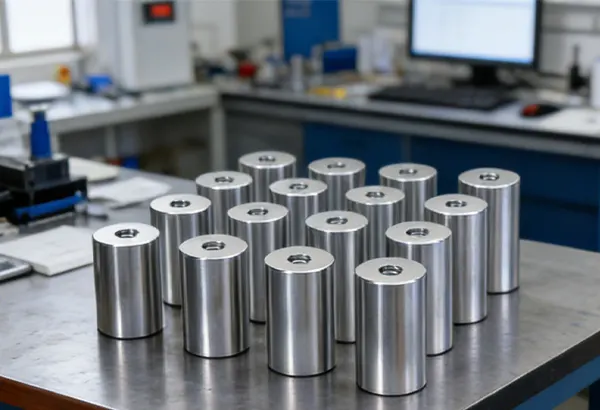
Ponad 100,000 Jednostki dostępne, wysyłka standardowych produktów trwa 2 godziny.
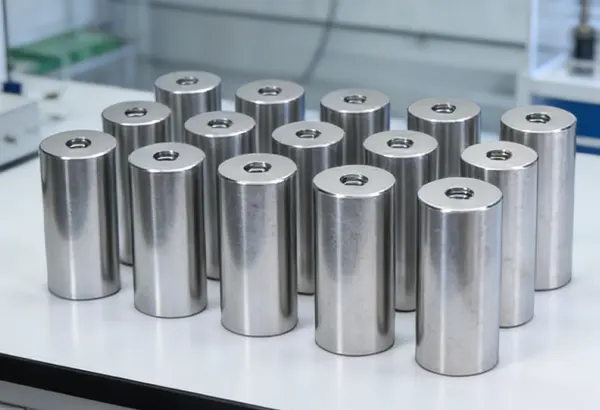
Wdrożenie trzyetapowego systemu inspekcji — wstępna kontrola materiałów, Inspekcja w trakcie procesu, oraz ostateczną inspekcję.
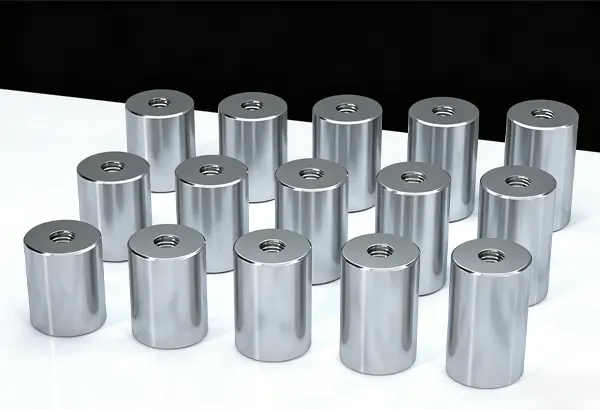
Duży zapas i szybka realizacja, Zapewnienie terminowej dostawy z 100% inspekcją produktu.
Zakres zastosowań
Preferowany wybór w różnych branżach.
FAQ
P1: Czym jest obudowa siłownika robotycznego?
Obudowa siłownika robotycznego to precyzyjny element konstrukcyjny, który zawiera i podtrzymuje silniki, Przekładnie, Łożyska, Wały, Enkodery, oraz powiązane elementy napędu w robotycznym siłowniku.
P2: Jakie cechy wymagają wysokiej precyzji w obudowach siłowników?
Kluczowe elementy to zazwyczaj siedzenia nośne, Interfejsy silnika, Powierzchnie mocowania skrzyni biegów, Otwory wałów, Cechy koncentryczne, Mocowania enkodera, oraz punkty końcowe składu.
P3: Jakie materiały są powszechnie stosowane w obudowach siłowników robotów?
Do popularnych materiałów należą stopy aluminium, Stal nierdzewna, oraz tytan. Aluminium jest często stosowane tam, gdzie istotne są lekkie konstrukcje i właściwości termiczne.
P4: Czy obróbka CNC 5-osiowa jest odpowiednia dla obudów siłowników?
Tak. Obróbka pięcioosiowa jest szczególnie przydatna w obudowach siłowników z skomplikowanymi wnętrznymi wnękami, Cechy wielokątowe, Precyzyjne otwory, Struktury cienkościenne, oraz wiele interfejsów zespołu.
P5: Jak inspekcjonuje się obudowy siłowników robotów?
Inspekcja może obejmować CMM, Rozstawy średnicy, Mikrometry, Wskaźniki wysokości, oraz inne precyzyjne urządzenia pomiarowe do weryfikacji wymiarów krytycznych i GD&Wymagania T.